
Pajisje të veshshme dhe monitorim
How Accurately Do Fitness Trackers Measure Heart Rate?
How optical heart rate measurement on the wrist works, where it is reliable and where it isn't – at rest, running, during intervals and in strength training – which factors disrupt it and how to get more accurate readings.
 NgaMichael Lohrberg
5 min lexim
Ky artikull nuk është ende i disponueshëm në shqip. Shfaqet në: English.
Shkurt
Fitness trackers measure heart rate optically with green light (photoplethysmography, PPG). At rest, during sleep and in steady endurance exercise, good devices are usually close to an ECG chest strap. They become less accurate with rapid changes in intensity such as intervals, strength exercises with a lot of wrist movement and when the device fits poorly. For resting heart rate, sleep and zone 2 training the wrist is sufficient; if you need exact values during intervals or strength training, use a chest strap.
Përmbajtja
A glance at your wrist and there it is: your heart rate, in real time. But how reliable is that number? Sometimes it seems spot on; sometimes it shows 110 beats during a sprint and 170 during a bench press. The answer depends heavily on what you are doing – and how you wear the device.
This article explains how optical heart rate measurement works, where it is good and where it isn't. It belongs to the Wearables & Tracking topic.
How the measurement works
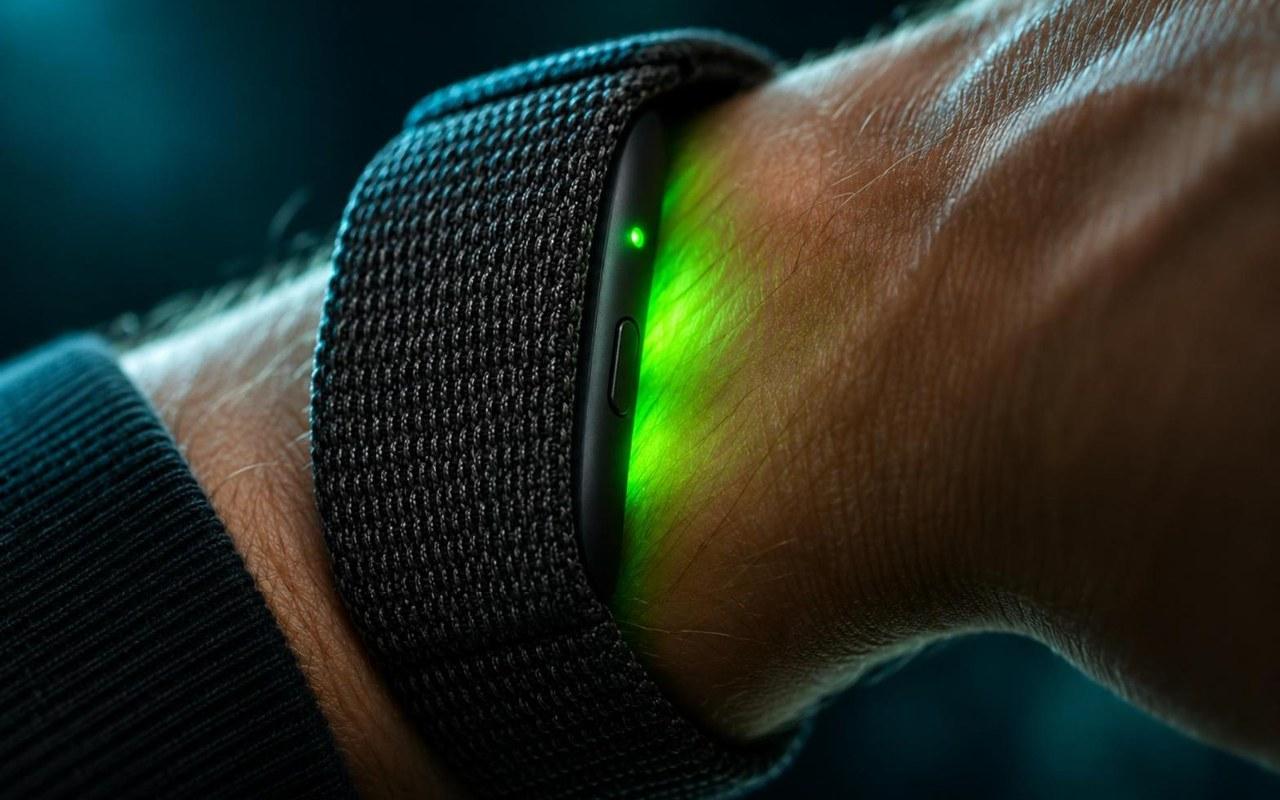
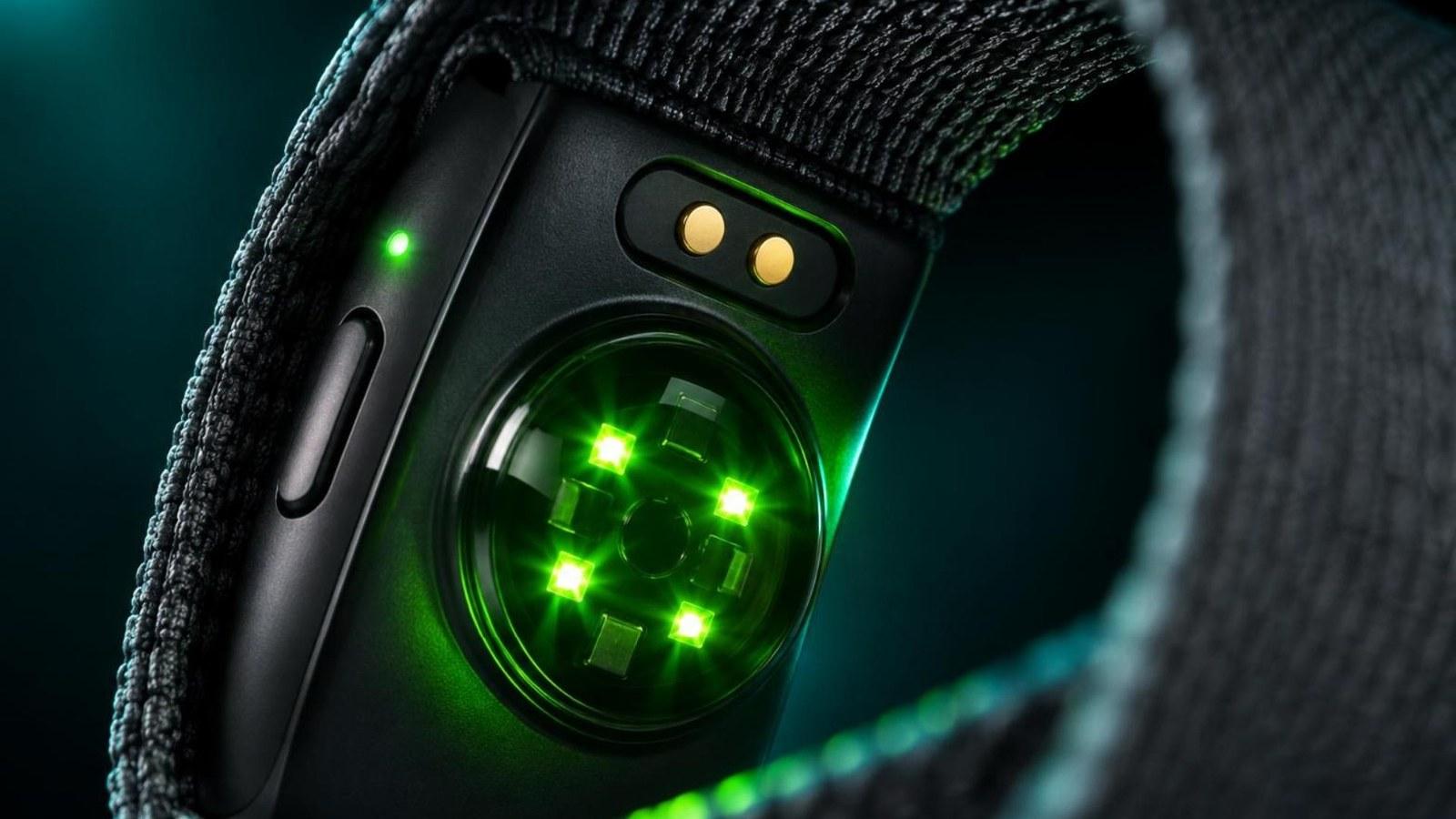
Almost all fitness trackers and smartwatches use photoplethysmography (PPG): LEDs, usually green, shine into the skin. A photodetector measures how much light comes back. With every heartbeat, more blood flows through the vessels, absorbing more green light. From this rhythmic change, an algorithm calculates heart rate.
The problem: it's not just the heartbeat that changes the light. Movement, muscle tension, the device slipping and ambient light also create signals. The software has to filter out the "noise" – and that is exactly where errors arise.
For comparison: an ECG chest strap measures the heart's electrical signals directly. It is therefore much less susceptible to movement and is considered the reference in sport.
How accurate – by situation
| Situation | Accuracy on the wrist | Why |
|---|---|---|
| Sleep, rest | high | hardly any movement, stable signal |
| Walking, easy cycling | high | steady movement |
| Steady running | usually good | rhythmic movement can be filtered |
| Intervals, sprints | medium | heart rate changes faster than the algorithm can follow |
| Strength training | limited | grip, wrist flexion, breath-holding |
| Rowing, boxing, kettlebells | limited | lots of arm and wrist movement |
| Swimming | variable | water, movement, fit |
Studies comparing wearables with ECG show this pattern fairly consistently: small average deviations at rest and under steady load, larger and more irregular deviations at high intensity and in movements with a lot of wrist work.
The most common sources of error
Loose fit. If ambient light gets under the sensor or the device slips, the signal becomes unusable.
Cadence confusion. When running, the algorithm can confuse step frequency with heart rate – values of around 150–180 that happen to match your cadence then appear.
Cold. With cold skin, blood vessels constrict and the signal weakens.
Tattoos. Dark ink directly under the sensor can absorb a lot of light and make measurement difficult.
Muscle tension. A firm grip tenses the forearm muscles and changes blood flow at the sensor.
Delay. The software smooths values. During rapid increases, the display lags a few seconds behind.
7 tips for more accurate readings
- Correct position: about one to two finger-widths above the wrist bone.
- Slightly tighter during training: so the device doesn't slip, but without pressure marks.
- Warm up: with warm skin and good circulation, the sensor measures better.
- Keep the sensor clean: sweat, cream and dirt interfere.
- With tattoos, try the other wrist or a higher position.
- Pair a chest strap for intervals and strength training, if your device supports it.
- Don't react to single values: trends over minutes and days are more meaningful than a snapshot.
A simple self-test
How well does your device measure for you? A small comparison tells you:
- Rest: in the morning, lying down, take your pulse by hand at your neck or wrist for 60 seconds and compare it with the display.
- Steady effort: if you can borrow a chest strap, wear both during a 20-minute easy run and compare the curves.
- Intervals: with three short sprints, you'll see how quickly the wrist follows the chest strap.
If the values are close at rest and under steady load, you can trust the device for those purposes. In the intervals, the test shows how big the delay is – that is normal for all wrist-worn devices.
What is "accurate enough"?
The key question isn't how accurate a device is in absolute terms, but whether it is accurate enough for your purpose:
| Purpose | Is the wrist enough? |
|---|---|
| Resting heart rate and recovery trend | yes |
| HRV during sleep | yes, as a personal trend |
| Managing zone 2 training | yes, with steady load |
| Managing intervals to the second | rather a chest strap |
| Heart rate in strength training | rather a chest strap, or ignore it |
| Medical diagnosis | no – that needs an ECG and a medical examination |
How to determine and use heart rate zones is explained in Calculating heart rate zones. Why other data matter more than heart rate in strength training is shown in Tracking strength training.
Overnight values: the wrist's strength
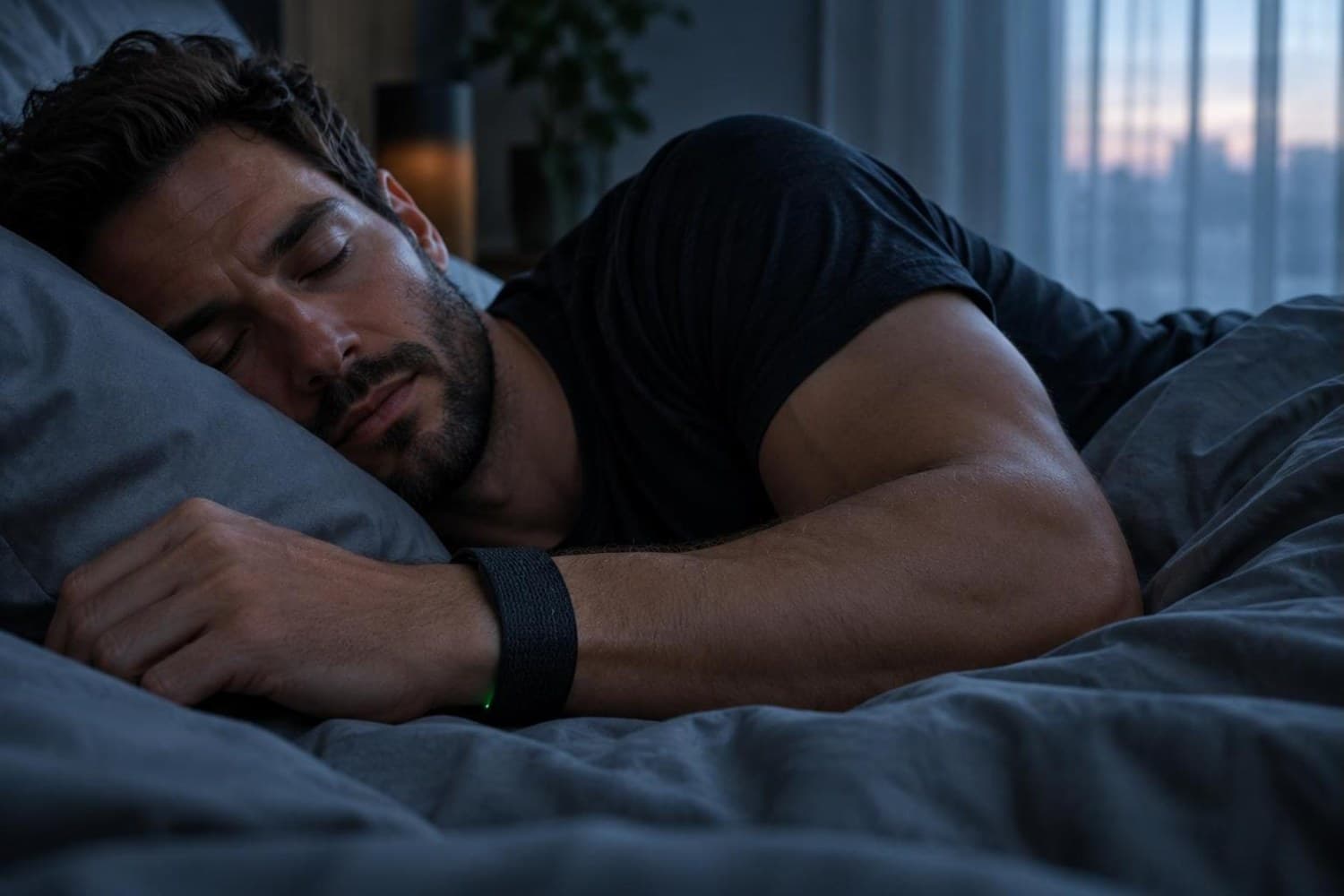
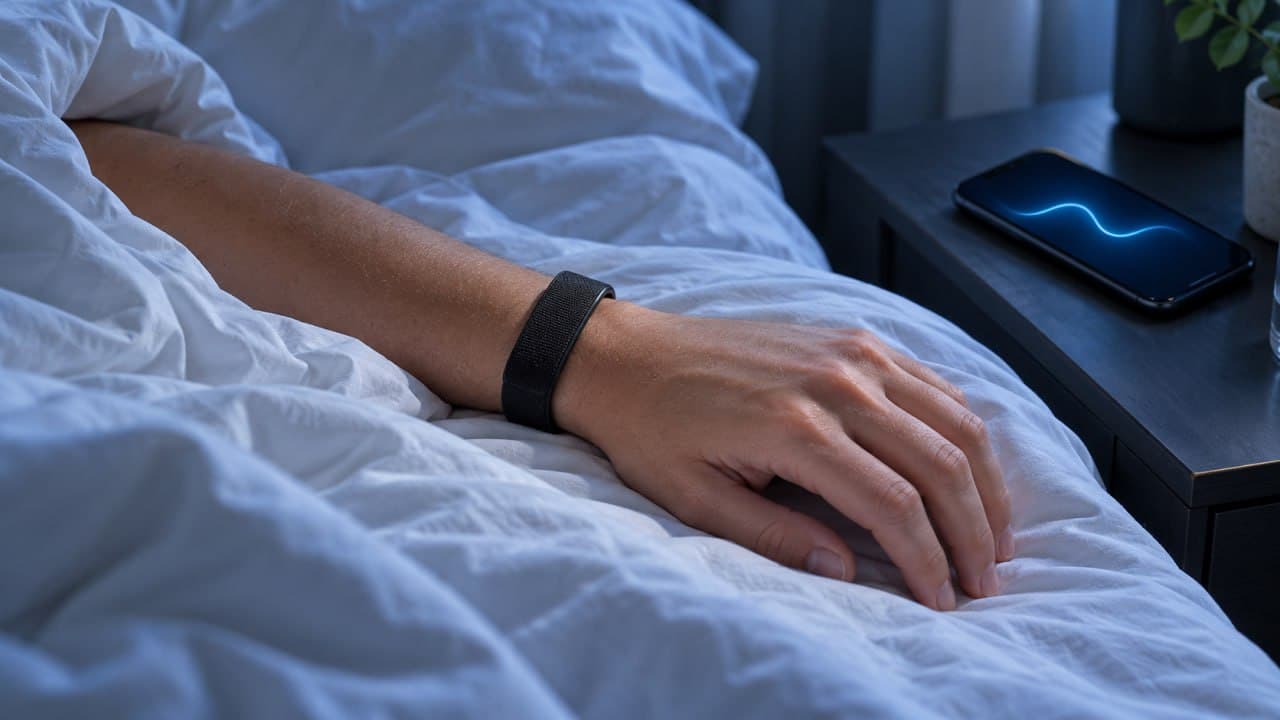
Ironically, the values many users pay least attention to are the most reliable: resting heart rate and heart rate variability during sleep. You lie still, the signal is stable and the measurement runs for hours. These data are therefore particularly valuable for managing training and recovery – provided the device is worn at night. How to interpret them is covered in Understanding HRV.
Irregular heartbeat: an important note
Some smartwatches can give indications of atrial fibrillation. Such features can be useful but do not replace a medical diagnosis. Conversely: a fitness tracker without an approved ECG feature is not a medical device. A racing heart, palpitations, chest pain or dizziness should always be checked by a doctor, regardless of what the device shows.
Calories: an estimate on top of an estimate
Calorie burn is estimated from heart rate, your weight, age and movement. If heart rate already fluctuates, the calorie value becomes correspondingly less accurate – especially in strength training. More in Smartwatch calorie burn: how accurate is it?.
Conclusion: the right tool for the right question
Fitness trackers measure heart rate better than their reputation suggests – in the situations they are built for. For resting heart rate, sleep and steady endurance training, the wrist is a good source. For intervals and heavy sets, a chest strap is worth it. Which device suits your training overall is covered in Smartwatch or fitness tracker?; which watches are worth considering for athletes in Apple Watch for training.
Pyetje të shpeshta
How accurate is wrist heart rate?
At rest and under steady load, good optical sensors usually provide values close to an ECG. With rapid changes, intervals and strength exercises, deviations and delays are considerably more frequent.
Is a chest strap more accurate than a watch?
Yes. A chest strap measures the heart's electrical activity directly and is considered the reference in sport. It responds faster to changes in heart rate and is much more reliable during intervals and strength training.
Why does my tracker show strange values during strength training?
When gripping heavy weights, forearm muscles tense, the wrist flexes and blood flow changes quickly. That disrupts the optical measurement. In addition, heart rate jumps with breath-holding. That's why wrist heart rate in strength training is often inaccurate.
How should I wear my tracker for the best measurement?
About one to two finger-widths above the wrist bone, snug enough that no light gets under the sensor but without cutting in. During training, the band can sit slightly tighter than in daily life.
Are resting heart rate and HRV from a tracker reliable?
At night, when you lie still, conditions for optical sensors are best. Resting heart rate and HRV trends are therefore generally useful – what matters is comparing them with your own values over weeks, not with other devices or people.
Etiketa
- Heart rate
- Fitness tracker
- Accuracy
- Chest strap
- Wearables
Rreth autorit
Michael Lohrberg· Themeluesi i Syrax
Michael Lohrberg themeloi Syrax në vitin 2026. Shërbim ushtarak me mision jashtë vendit, në industri që nga viti 2010, punë me turne dhe dy punë njëkohësisht – LEEK Pulse Pro lindi nga pyetja se sa rikuperim mbetet vërtet në jetën e përditshme. Në revistë shkruan për stërvitjen, gjumin dhe rigjenerimin – në mënyrë praktike dhe të bazuar në kërkime.
Më shumë për MichaelKy artikull ka karakter të përgjithshëm informues dhe nuk zëvendëson këshillën mjekësore. Nëse ke sëmundje, dhimbje ose dyshime, fol me mjekun përpara se të ndryshosh stërvitjen ose ushqyerjen.
Syrax Revista
Lexo më tej
 Udhëzues i madh
Pajisje të veshshme dhe monitorim
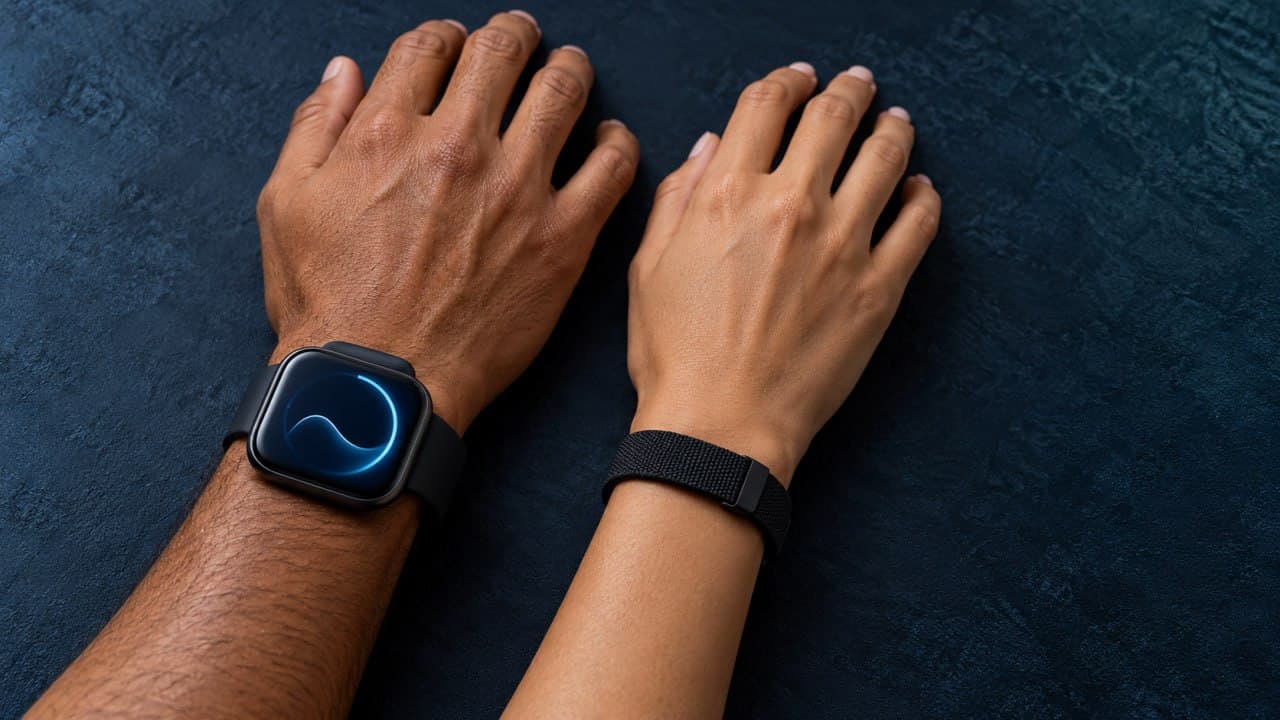
Smartwatch or Fitness Tracker? What Matters for Training
Smartwatch, GPS sports watch or slim fitness band: which device class suits your training, what the sensors can really do, how important battery, subscription and privacy are – with a decision guide for every profile.
8 min leximEnglish
 Udhëzues i madh
Rikuperim dhe HRV
Understanding HRV: What Heart Rate Variability Reveals About Your Recovery
HRV is probably the most valuable metric a wearable can provide – and the most often misunderstood. What it measures, which values are normal, how to measure it properly and how to guide your training with it.
13 min leximEnglish
Qëndrueshmëri dhe vrapim
How to Calculate and Use Heart Rate Zones
How to calculate your heart rate zones: estimate or test your maximum heart rate, zones as a percentage of max HR or with the Karvonen method, what happens in zones 1 to 5 and how to use the zones practically in running, cycling and endurance training.
5 min leximEnglish