
Palestër në shtëpi dhe pajisjeSport Edit i Selinës · Pjesa 5 nga 9
Cap, Visor, Headband or Beanie: The Right Headwear for Sport
Which headwear suits which sport and weather? Selina Karl compares cap, visor, headband and beanie: sun protection, sweat, warmth, ventilation, the right materials, the right size and care tips – with the headwear models from Syrax Gear. Part 5 of Selina's Sport Edit.
 NgaSelina Karl
6 min lexim
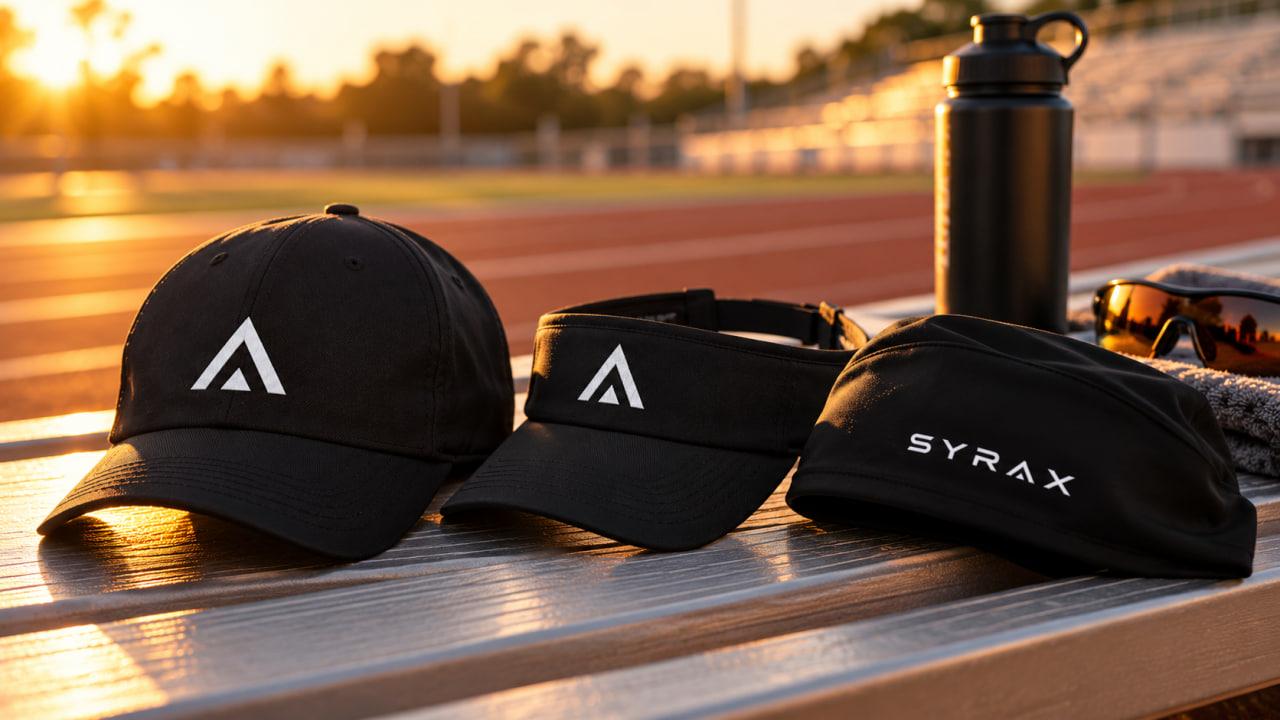
Ky artikull nuk është ende i disponueshëm në shqip. Shfaqet në: English.
Shkurt
The right headwear depends on the weather and the sport. A cap protects your face and scalp from sun and light rain but traps more heat when it's hot. A visor shades your face and leaves the top of your head open – ideal for running, tennis and padel in the sun. A headband catches sweat and keeps hair out of your face; in autumn it warms your ears. A beanie keeps you warm in the cold: thin and stretchy for runs, knitted from cotton for easy sessions and everyday life. Look for light, quick-drying materials when you sweat and an adjustable closure, and wash headwear regularly, because a lot of sweat collects there.
Përmbajtja
I demonstrably own more headwear than running shoes – and I stand by it. The cap for outdoor training, the visor for padel in the sun, the headband for HYROX and Pilates, the beanie for winter. Each has its job. Headwear is often forgotten in sport – until the sun dazzles you, sweat runs into your eyes or your ears hurt in the cold.
Welcome to part 5 of Selina's Sport Edit. Part 3 was about training in winter; today we focus on the head: cap, visor, headband and beanie compared – and which headwear suits which sport and weather.
The four types compared
| Headwear | Strengths | Ideal for |
|---|---|---|
| Cap | sun protection for face and scalp, keeps off light rain | running, hiking, outdoor training, everyday life |
| Visor | shades the face, top of the head stays ventilated | running, tennis and padel in sun and warmth |
| Headband | catches sweat, holds hair back, warms the ears | gym, HIIT, yoga, running in autumn |
| Beanie | keeps you warm, protects the ears | running and training in winter, the way to the gym |
Cap: the classic for sun – and for bad hair days
A cap protects your eyes, face and scalp from the sun – important for long sessions in summer or when there isn't much hair protecting your parting. The brim keeps light rain out of your face. And let's be honest: it also rescues every morning on which your hair simply gives up after training. Ponytail through the opening at the back, and the look is done.
The downside: heat builds up under the crown in great heat. For intense runs in high summer, light, airy models or a visor are therefore more comfortable.
Our Dad Hat is an unstructured, low-profile cap made of cotton twill with six panels, embroidered eyelets for ventilation and an adjustable strap with a buckle – ideal for outdoor training at a moderate pace, walks and everyday life. By the way, I'm wearing it in my photos in this series too.
Visor: shade without heat build-up
A visor consists only of a brim and a band. It shades your face but lets heat escape at the top. Runners, tennis and padel players value it for exactly that reason – on the padel court in the midday sun it's indispensable for me, because otherwise I search for lobs against the sun like I'm looking for my glasses in the dark.
In strong midday sun, however, your scalp remains unprotected – then put sunscreen on your parting or go for a cap after all.
Our Visor (Flexfit) is made of polyester with spandex, has a flat cut, an undervisor in the brim colour and a hook-and-loop closure for head circumferences of 56 to 59 cm.
Headband: against sweat in your eyes
The headband is the most underrated piece in sport. It catches sweat before it runs into your eyes and keeps hair out of your face – during strength training, HIIT, yoga or running. In HYROX training with burpees and wall balls, it's my best friend, because burning eyes and a medicine ball coming towards you are not a good combination. In autumn, a wider headband protects your ears from the wind without getting as warm as a hat.
Our Headband is made of moisture-wicking polyester with elastane, soft and stretchy, and available in two sizes.
Beanie: warm through the winter
In the cold you lose heat quickly through your head and ears, and the ears cool down especially easily. A beanie makes the difference then.
For runs and intense training: thin, close-fitting, made of performance fabric so sweat is wicked away.
For easy sessions and everyday life: knitted, made of cotton or wool – cosy, but quickly too warm when you sweat heavily.
Our Beanie is double-layered polyester with elastane and fits snugly – good for winter training outdoors. The Organic Ribbed Beanie is a ribbed cuffed beanie made of 100 percent organic cotton with an embroidered logo for calm sessions and everyday life. More on dressing for the cold in Training outdoors in winter.
Which headwear suits which sport
Running: In summer a visor or light cap, for sweat a headband, in winter a thin performance hat. If you run in twilight in the morning or evening, choose light colours.
Strength training, HIIT and HYROX: What matters most here is that nothing slips and no sweat runs into your eyes. A headband is the best choice. Many people wear caps in the gym out of habit – but the brim can get in the way during bench exercises. You can read how intervals are structured in the HIIT guide.
Padel and tennis: In the sun a visor, indoors a headband. A cap works too, but sometimes blocks your view upwards on high balls.
Yoga and mobility: A soft, flat headband holds back hair and sweat without pressing when you lie on your back.
Cycling: Caps and beanies don't belong under a helmet if they change how it fits. Thin under-helmet caps or a headband are the better choice.
Hiking and outdoors: A cap with a brim protects you during long hours in the sun; a headband or beanie belongs in your backpack for summits and wind.
Finding the right size
Measure your head circumference with a tape measure about a finger's width above your eyebrows and over your ears. Most caps and visors are adjustable and fit roughly 54 to 60 cm. For headbands and beanies, the size chart helps – they should fit without pressing and not slip when you run.
If you're between two sizes, choose the larger one for headbands so nothing presses – and the smaller one for training beanies so they don't slip when you run. Tip for long hair: a low ponytail fits under almost any beanie; a high bun fits under hardly any.
Care: wash out sweat regularly
Headwear collects a lot of sweat, skin oil and sunscreen, especially on the sweatband. Unwashed, it quickly smells and gets stains.
- Headbands and performance hats: at 30 degrees in the machine, ideally in a laundry bag.
- Caps and visors: by hand with lukewarm water and mild soap, then let them dry in shape.
- Cotton knit hats: wash gently and dry flat so they don't stretch out.
Conclusion: the right piece for every weather
With four types of headwear you're equipped for almost anything: a cap or visor for the sun, a headband against sweat and a beanie for winter. They take up hardly any space in your gym bag, make training more comfortable in any weather – and rescue many a bad hair day along the way.
Next Friday in part 6 we roll out the mat: Clothing for yoga and mobility – leggings, shorts, sports bras and the famous squat test.
Pyetje të shpeshta
Cap or visor for running?
In sun and warmth, a visor is often more comfortable because heat can escape over the top of your head. A cap also protects your scalp from the sun and keeps off light rain. If you have little hair or run for a long time in blazing sun, a cap protects you better.
Does a headband help during sport?
Yes, especially against sweat in your eyes and hair in your face. Headbands made of performance fabric absorb sweat and wick it away. In autumn, wider headbands also protect your ears from the wind.
Which hat for jogging in winter?
A thin, close-fitting hat made of performance fabric that covers your ears, wicks sweat and dries quickly. Thick knit hats quickly get too warm and wet when running.
How do I wash a cap properly?
Ideally by hand with lukewarm water and mild soap, especially the inner sweatband. Then let it air-dry in shape, for example over a bowl. Many caps lose their shape in the washing machine.
Which headwear helps against sunstroke?
A cap or hat that shades your head and neck, plus drinking enough and taking breaks in the shade. A visor protects your face but leaves your scalp exposed – in strong sun, a cap is the safer choice.
Etiketa
- Cap
- Visor
- Headband
- Beanie
- Sportswear
- Selina's Sport Edit
Rreth autores
Selina Karl· Redaktore për fitnes, modë dhe suplemente
Selina Karl është menaxhere në Statistik Austria – numrat janë përditshmëria e saj, dhe pikërisht kështu i lexon studimet: së pari kampioni, pastaj titulli. Në kohën e lirë stërvit forcën dhe qëndrueshmërinë, bën Pilates, garon në HYROX dhe luan padel. Në Syrax Magazine shkruan për fitnesin, veshjet sportive dhe suplementet – sinqerisht, praktikisht dhe me humor.
Më shumë për SelinënKy artikull ka karakter të përgjithshëm informues dhe nuk zëvendëson këshillën mjekësore. Nëse ke sëmundje, dhimbje ose dyshime, fol me mjekun përpara se të ndryshosh stërvitjen ose ushqyerjen.
Syrax Revista
Lexo më tej
Qëndrueshmëri dhe vrapim
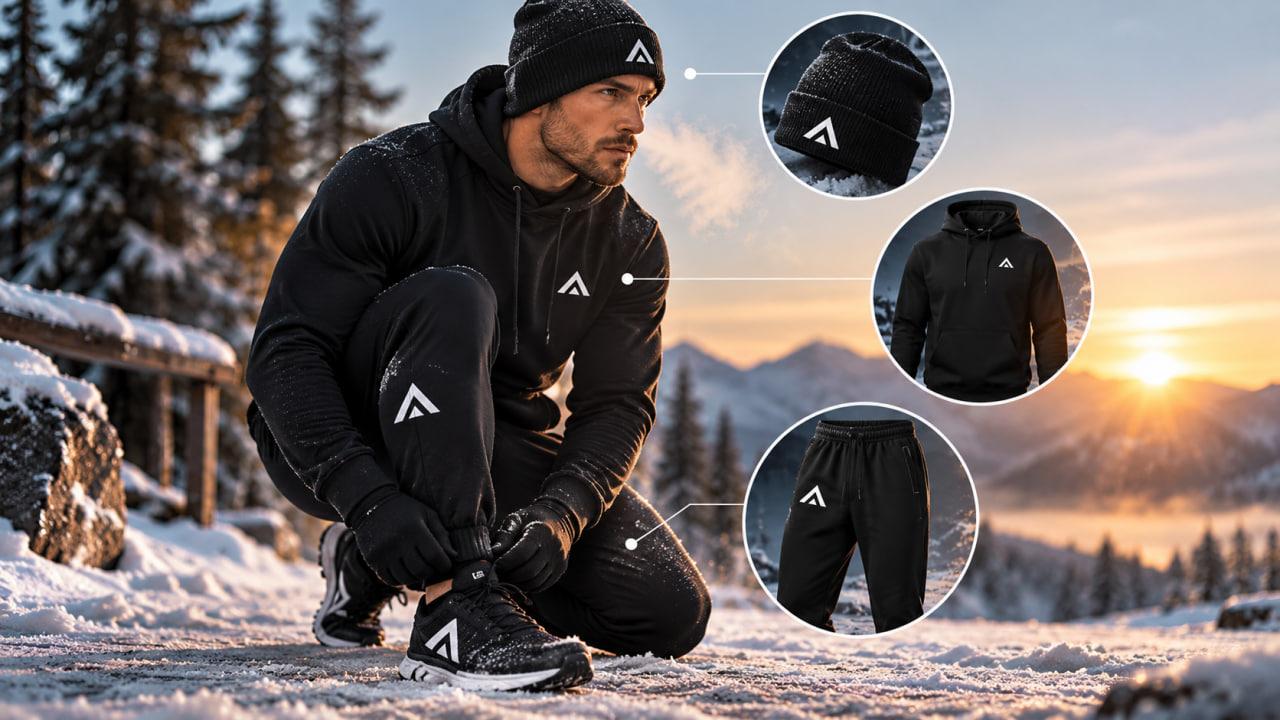
Training Outdoors in Winter: Layering, the Hat Question and No Cotton Drama
Dressed right for training in the cold: Selina Karl explains the layering principle, which materials keep you warm and which cool you down, why head, hands and feet decide everything, what to wear for warming up and the way home – plus a temperature table for running and outdoor training. Part 3 of Selina's Sport Edit.
6 min leximEnglish
Palestër në shtëpi dhe pajisje
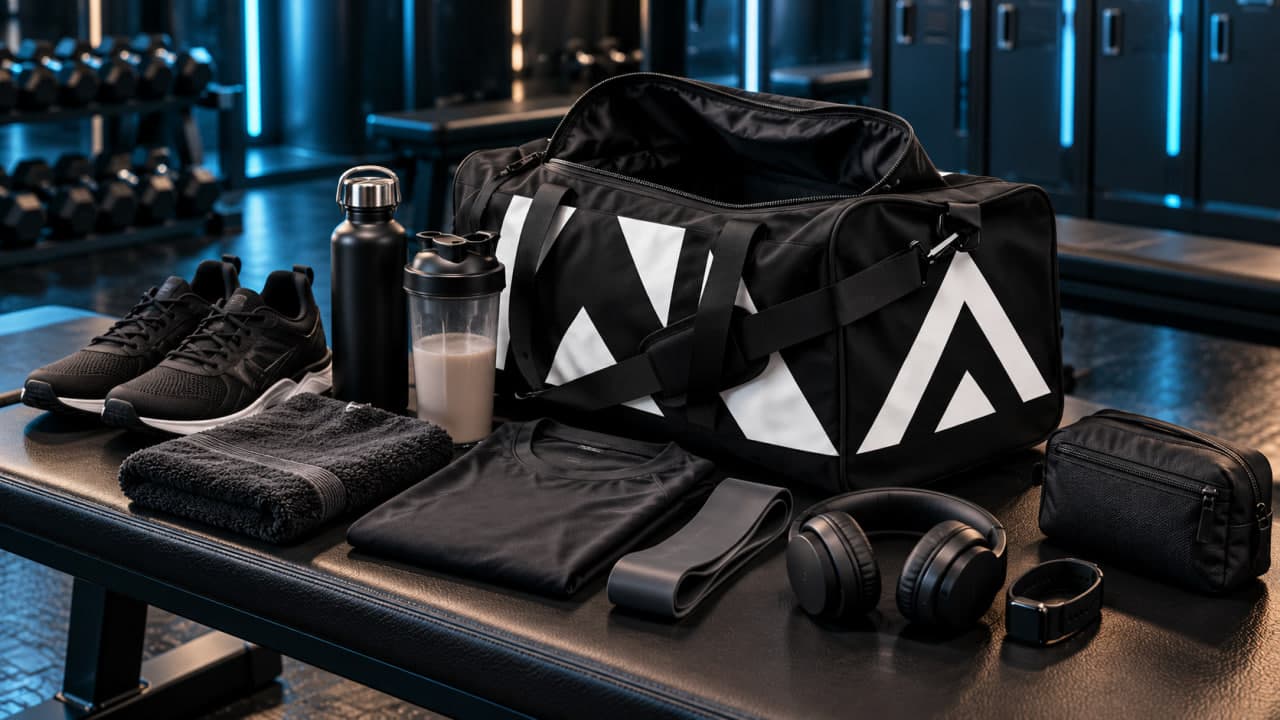
Packing Your Gym Bag: My Checklist for the Gym
What goes in the gym bag – and what gets kicked out? Selina Karl unpacks hers: clothes, shoes, towel, water bottle, hygiene and little lifesavers, plus tricks against odour, the right bag size and a checklist to tick off. Part 1 of Selina's Sport Edit.
6 min leximEnglish
 Udhëzues i madh
HIIT dhe stërvitje funksionale
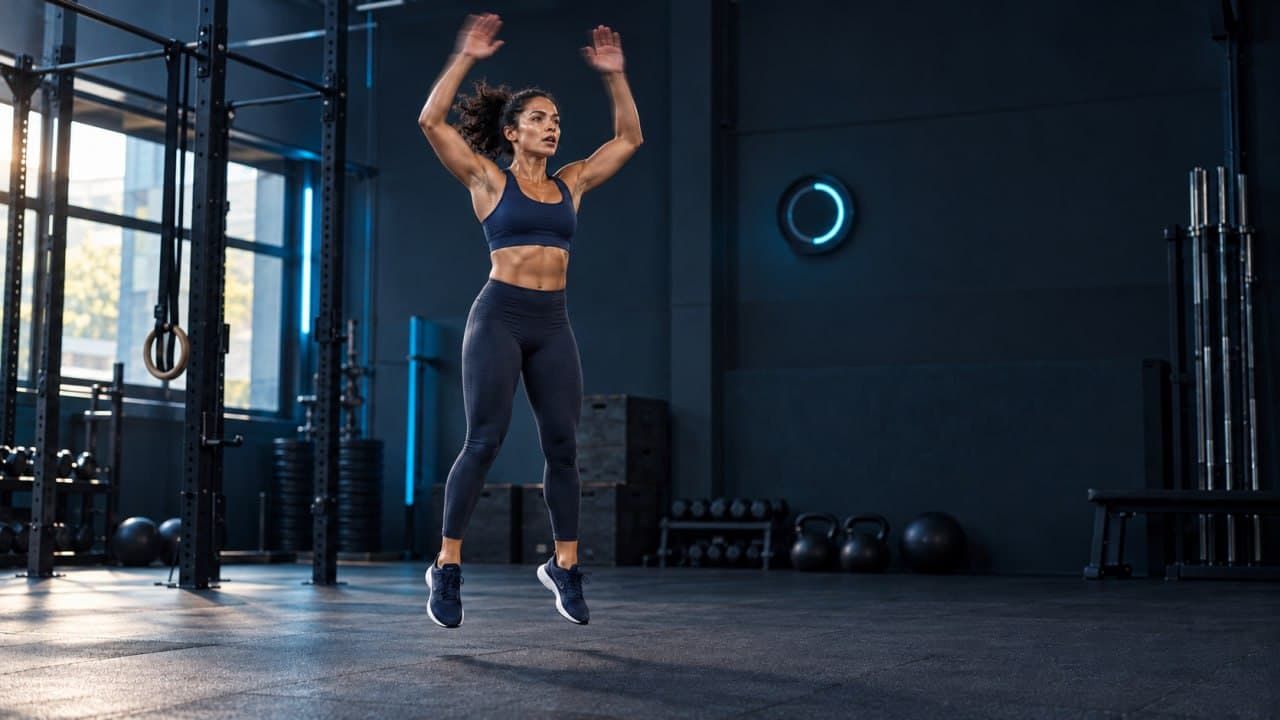
HIIT Training: The Complete Guide to High-Intensity Intervals
Maximum effect in minimum time – if you do it right. What HIIT really delivers, which protocols work, how often to include it and why most "HIIT workouts" are not HIIT at all.
13 min leximEnglish