
Sleeping After a Night Shift: How to Plan Your Day Sleep
How to fall asleep quickly after a night shift and sleep long enough: the commute home, blackout, quiet, food, caffeine, timing and switching back to a daytime rhythm – with a concrete routine for the morning after your shift.
 ByMichael Lohrberg
5 min read
In short
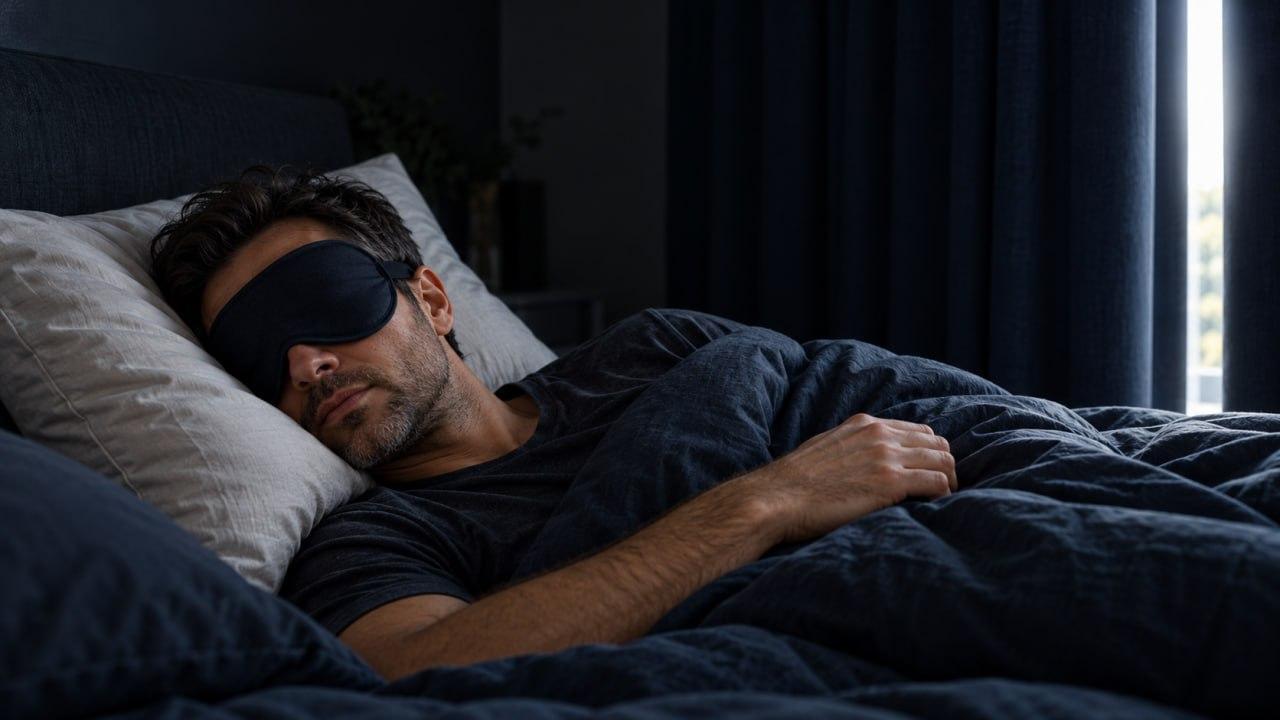
After a night shift, it's best to sleep as soon as possible after getting home, in a completely dark, cool and quiet room. Avoid bright light on the way home (sunglasses), drink no coffee in the last hours of your shift and eat only a small meal before sleeping. Plan a main sleep block of about 5–7 hours and, if needed, a short afternoon nap before the next shift. Fixed routines, earplugs and clear agreements with housemates help protect your day sleep.
Contents
The shift is over, you're dead tired – and yet at ten in the morning you're lying wide awake in bed while a lawnmower runs outside. Day sleep is harder than night sleep because your internal clock, daylight and everyone else's daily life work against you. With the right routine, though, it can be improved considerably.
This article shows you step by step how to plan the morning after a night shift. It belongs to the Sleep & Recovery topic. The basics of sleeping with changing shifts are covered in the pillar article Shift work and sleep.
Why day sleep is so difficult
Two systems control your sleep:
- Sleep pressure: it builds with every hour awake. After a night shift it's high – which helps you fall asleep.
- Internal clock: it follows light above all. In the morning it starts setting your body up for activity: body temperature and alertness signals rise.
That's why many people fall asleep quickly after a night shift but wake up again after three or four hours. The strategy is therefore: use the sleep pressure and dampen your internal clock's signals – above all light, warmth and noise.
The routine: from end of shift to waking up
Day sleep after a night shift in 6 steps
- 1
Step 1
Caffeine cut-off during the shift
Drink no coffee, energy drinks or black tea in the last four to six hours before the end of your shift.
- 2
Step 2
Avoid light on the way home
Wear dark sunglasses, even when it's cloudy, and avoid detours, shopping and bright light.
- 3
Step 3
A small meal
At home, eat only a light snack such as yoghurt, a slice of bread or a banana. Large, fatty meals disrupt falling asleep.
- 4
Step 4
A short wind-down routine
Follow a short, always identical ritual: brush your teeth, phone on silent, lights dimmed – this signals bedtime to your body.
- 5
Step 5
Prepare the bedroom
Darken the room completely, cool it to about 16–19 °C, use earplugs or white noise and mute the doorbell and phone.
- 6
Step 6
Main sleep and nap
Sleep one block of about 5–7 hours. If you're short of sleep, add a 20–90 minute nap before the next shift.
The details that make the difference
Light: the strongest opponent
Morning light is the strongest signal for your internal clock to switch to "day". Even the commute home in bright light can make falling asleep harder. Therefore:
- sunglasses with dark lenses on the way home,
- no shopping or errands on the way back,
- at home, dimmed light and as little screen time as possible,
- blackout that really seals: shutters, blackout curtains or film, plus an eye mask.
Temperature
During the day it gets warmer in the bedroom, especially in summer and under the roof. A cool room of about 16–19 °C makes sleeping through easier. Air the room before sleeping, then close windows and shutters against the sun and use a fan in summer if needed – its noise also masks other sounds.
Noise
Daytime life is loud: delivery drivers, building sites, children, neighbours. Helpful:
- earplugs made of foam or wax,
- white or pink noise from a speaker or fan,
- doorbell and phone muted, a sign on the door,
- agreements with housemates and family about fixed quiet times.
Food and drink
Sleeping on a full stomach is hard, and on a rumbling one too. A small snack after getting home works best. Postpone heavy, fatty or spicy meals until after you get up. Drink only moderately before sleeping so your bladder doesn't wake you.
Caffeine
Caffeine works for many hours. A coffee at four in the morning can still noticeably disrupt your day sleep at ten. So use caffeine deliberately in the first half of your shift and leave it out in the last four to six hours.
Alcohol
The "after-work beer" after a night shift is common but counterproductive: alcohol makes you tired but worsens sleep quality and makes you wake more often. More in Alcohol and sleep.
A sample day after a night shift
| Time | What you do |
|---|---|
| 02:00 | last coffee (then only water or herbal tea) |
| 06:00 | end of shift |
| 06:00–06:45 | commute home with sunglasses |
| 06:45–07:15 | small snack, brush teeth, phone on silent |
| 07:15–13:30 | main sleep in a dark, cool room |
| 13:30–17:30 | awake: food, errands, exercise, daylight |
| 17:30–18:30 | nap before the next shift |
| 21:00 | next shift |
The times are an example – adapt them to your shift times. What matters is that the routine stays similar on every night-shift day.
Using naps the right way
A nap before your shift can partly make up for missing day sleep and improve alertness during the night. Two variants have proven useful:
- Short (about 20 minutes): refreshes you without dropping into deep sleep. Ideal if you've already slept reasonably well.
- Long (about 90 minutes): roughly matches a full sleep cycle and suits days when your main sleep was too short.
Plan the nap so that there's still about an hour between waking up and the start of your shift. Many people feel groggy right after waking – this "sleep inertia" usually passes after 15 to 30 minutes.
After the last night shift: back to a daytime rhythm
Many people find switching back hard. What has proven useful:
- Sleep briefly after the last shift – about three to four hours, not all day.
- Plenty of daylight in the afternoon, ideally outdoors and with exercise.
- No long nap in the evening.
- Go to bed at your usual time – rather a little earlier than normal.
For many people, the rhythm is restored within one to two days. How much sleep you need overall is explained in How much sleep do I need?.
Measuring recovery
Shift work often shows in recovery data: a higher resting heart rate and lower heart rate variability after blocks of night shifts. If you watch these values over weeks, you can see which routines help and when you need more rest. How to interpret HRV is covered in Understanding HRV.
When to seek medical advice
If, despite a good routine, you sleep poorly long-term, are constantly tired during the day, nod off at the wheel or your mood worsens noticeably, talk to your GP or occupational health service. Persistent sleep problems with shift work are common and treatable.
Conclusion: day sleep can be planned
You can't switch off your internal clock – but you can take away its strongest wake-up signals. Darkness, coolness, quiet and a fixed routine often turn a fragmented morning sleep into restful main sleep. If you still hardly get any rest after night shifts, you'll find more strategies for training and nutrition in the pillar article Shift work and sleep.
Frequently asked questions
When should I go to sleep after a night shift?
For most people, it's best to sleep as soon as possible after getting home, while sleep pressure is high. If you stay awake for long, you enter the phase in which your internal clock switches to wakefulness, and you then sleep worse.
How long should you sleep after a night shift?
Ideally a main sleep of about 5 to 7 hours, supplemented by a nap before the next shift. Over 24 hours, aim for a total of 7 to 9 hours of sleep where possible.
Why do I wake up so early after a night shift?
In the late morning, your internal clock begins to set your body to wakefulness. Add light, warmth and everyday noise. Complete blackout, a cool room and earplugs help you sleep through for longer.
Does alcohol help you fall asleep after a night shift?
No. Alcohol can speed up falling asleep but significantly worsens sleep quality in the second half of sleep and leads to more frequent waking. That's particularly unfavourable for already fragile day sleep.
How do I get back into a daytime rhythm after the last night shift?
Many people do well with a short sleep of about three to four hours on the morning after the last shift, plenty of daylight in the afternoon and a normal, rather early bedtime in the evening. The rhythm often returns within one to two days.
Tags
- Night shift
- Day sleep
- Shift work
- Sleep
- Recovery
- Sleep hygiene
About the author
Michael Lohrberg· Founder of Syrax
Michael Lohrberg founded Syrax in 2026. Military service with a deployment abroad, in industry since 2010, shift work and two jobs in parallel – the LEEK Pulse Pro grew out of the question of how much recovery is really left in everyday life. In the magazine he writes about training, sleep and regeneration – practical and grounded in the research.
More about MichaelThis article is for general information and does not replace medical advice. If you have pre-existing conditions, pain or any doubts, talk to your doctor before changing your training or diet.
Also available in: Deutsch
Syrax Magazine
Read next
 Big guide
Sleep & Shift Work
Shift Work and Sleep: The Guide for Rotating and Night Shifts
How to get enough restful sleep despite early, late and night shifts: understanding your body clock, using light deliberately, sleep times for every shift, naps, caffeine, eating at night and training on shifts.
8 min read
 Big guide
Recovery & HRV
Understanding HRV: What Heart Rate Variability Reveals About Your Recovery
HRV is probably the most valuable metric a wearable can provide – and the most often misunderstood. What it measures, which values are normal, how to measure it properly and how to guide your training with it.
13 min read

Sleep & Shift Work
Shift Work Sleep Rhythm: The 5 Levers for Early, Late and Night Shifts – and How to Plan Them
When to go to bed, when to nap, when to seek light, when to have the last coffee? We explain the five levers for better sleep on shift work and how our free shift work sleep optimizer turns your roster into a sleep plan – with commute, kids, family dinner and calendar export.
8 min read