
How Much Protein Do You Really Need?
Protein needs for muscle building, dieting, endurance and after 50: what research recommends, how to spread the amount across meals, which foods provide the most and whether too much protein is harmful.
 ByMichael Lohrberg
6 min read
In short
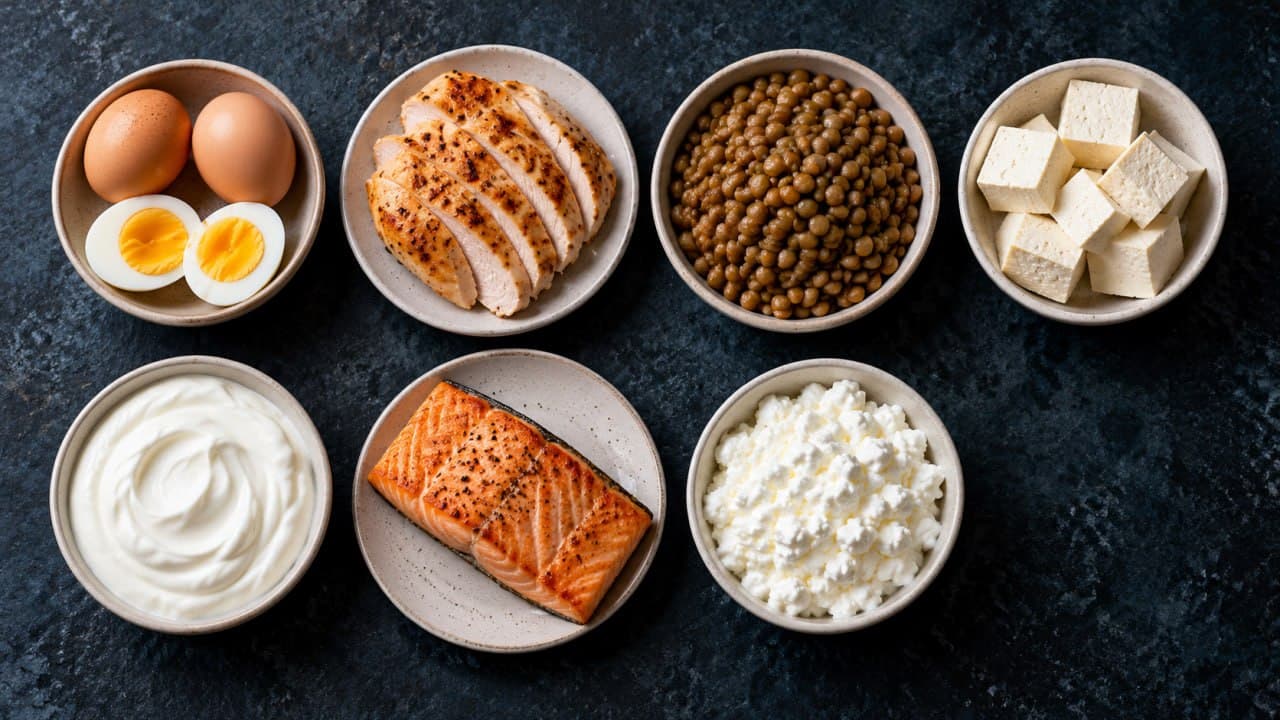
For people who do strength training and want to build muscle, about 1.6 g of protein per kilogram of body weight per day is considered sufficient; up to 2.2 g per kilogram can make sense, especially in a diet. The general recommendation for adults who don't train is 0.8 g per kilogram, and about 1.0 g from age 65. Spread your protein over three to five meals of 20–40 g each. For healthy people, a high-protein diet is considered safe; with kidney disease, consult a doctor.
Contents
Protein is the nutrient most talked about in the gym – and the one surrounded by the biggest misunderstandings. Some drink three shakes a day "to be safe", others fear for their kidneys. The truth lies in between and is pleasingly well researched.
You can work out your personal number – including a check against what you eat – in a minute with the free protein calculator.
This article belongs to the Nutrition & Body Composition topic. How protein fits into a diet is explained in Lose fat, keep muscle.
Why protein matters so much
Protein provides amino acids, the building blocks for muscles, enzymes, hormones and the immune system. For people who train, three effects are crucial:
- Building and maintaining muscle: training provides the stimulus, protein provides the material.
- Satiety: protein fills you up more than carbohydrates and fat – a big advantage in a diet.
- Thermic effect: a larger share of the calories from protein is used up by digestion itself.
Needs at a glance
| Situation | Protein per kg of body weight per day |
|---|---|
| Adults who don't train (general recommendation) | 0.8 g |
| Adults aged 65+ | approx. 1.0 g (often more makes sense) |
| Endurance training | 1.2–1.6 g |
| Strength training, muscle building | 1.6–2.2 g |
| Strength training during a diet | 1.8–2.4 g |
Daily protein needs – example at 80 kg body weight
Converted from the guide values per kilogram. For ranges, the bar shows the midpoint.
- No training (0.8 g/kg)64 g
- Aged 65+ (approx. 1.0 g/kg)80 g
- Endurance training (1.2–1.6 g/kg)96–128 g
- Muscle building (1.6–2.2 g/kg)128–176 g
- Strength training while dieting (1.8–2.4 g/kg)144–192 g
Show data as table
| Category | g protein per day |
|---|---|
| No training (0.8 g/kg) | 64 g |
| Aged 65+ (approx. 1.0 g/kg) | 80 g |
| Endurance training (1.2–1.6 g/kg) | 96–128 g |
| Muscle building (1.6–2.2 g/kg) | 128–176 g |
| Strength training while dieting (1.8–2.4 g/kg) | 144–192 g |
The figure of 1.6 g comes from a large meta-analysis that pooled studies on strength training and protein intake. Above this amount, gains in lean mass barely rose on average; the upper limit of the statistical range was about 2.2 g. That is where the common recommendation of 1.6–2.2 g per kilogram comes from.
Worked example
A person weighing 80 kg who wants to build muscle:
- Lower limit: 80 × 1.6 = 128 g of protein per day
- Upper limit: 80 × 2.2 = 176 g of protein per day
With significant excess weight, it's better to calculate with your target weight or lean mass; otherwise the numbers become unrealistically high.
Protein in a diet: why more makes sense
In a calorie deficit, the body also draws energy from muscle protein. A higher protein intake together with strength training protects muscle. At the same time, protein keeps you full longer, which makes the deficit easier to bear. For lean, trained people in a longer diet, up to 2.4 g per kilogram is sometimes recommended.
Protein after 50: needs increase
With age, muscles respond less strongly to protein – known as "anabolic resistance". That doesn't mean building muscle becomes impossible, but that it needs more protein per meal and regular strength training. For older people who train, 1.2–1.6 g per kilogram and meals with more like 30–40 g of protein make sense. More in Muscle building after 40.
Spreading it across the day
The total amount matters most. Even distribution still makes sense:
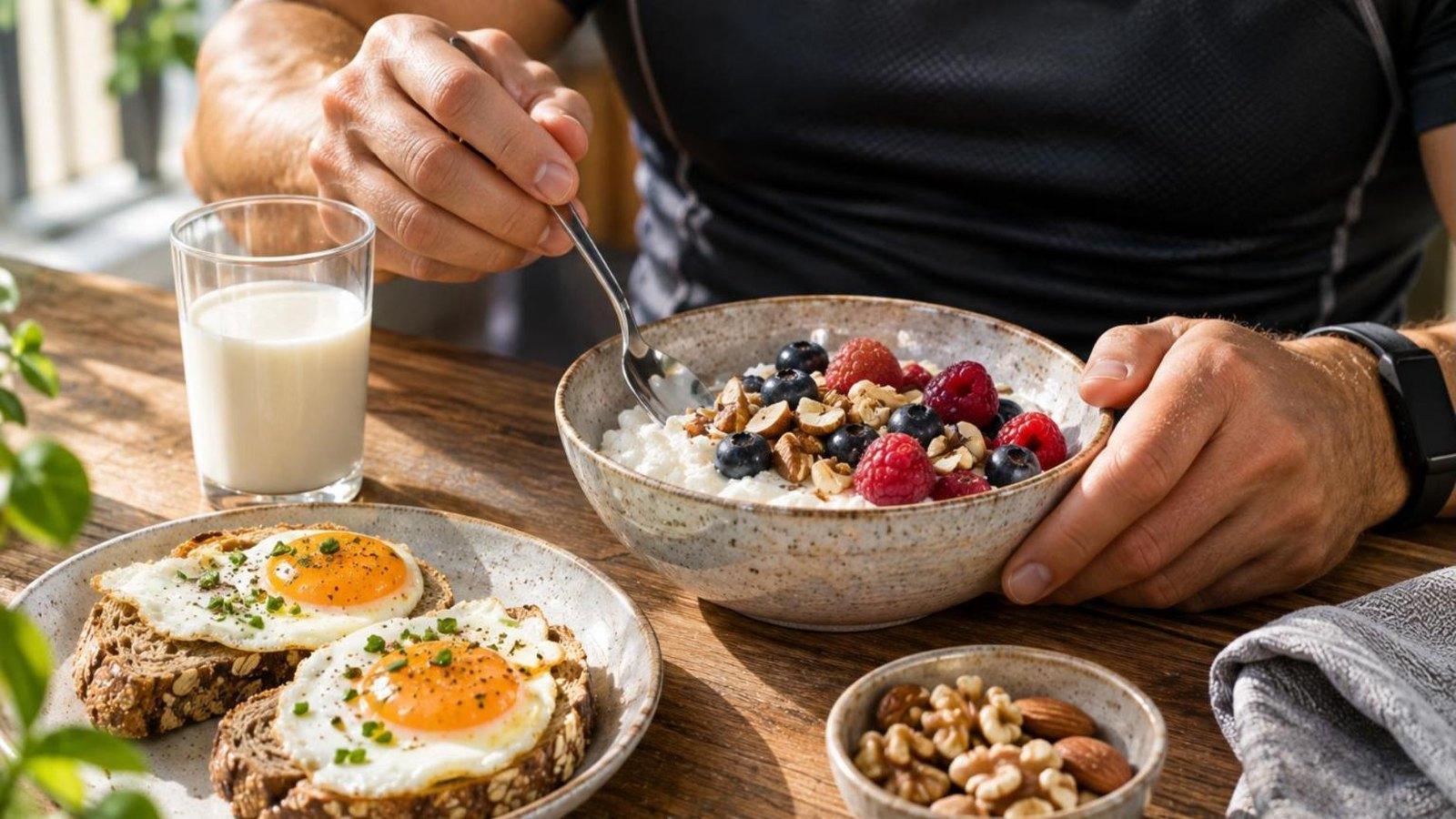
- 3–5 meals with 20–40 g of protein each.
- About 0.4 g per kilogram of body weight per meal as a rough guide.
- A protein-rich meal in the hours around training – exact timing is less important than once thought.
- Optionally before bed: quark or skyr provide slowly digested protein for the night.
| Meal | Example | Protein (approx.) |
|---|---|---|
| Breakfast | skyr with oats and berries | 30 g |
| Lunch | rice bowl with chicken and vegetables | 40 g |
| Snack | 2 eggs and a handful of nuts | 18 g |
| Dinner | lentil bolognese with wholegrain pasta | 35 g |
| Before bed | low-fat quark | 25 g |
| Total | approx. 148 g |
Ideas for high-protein meals are in High-protein breakfast and High-protein snacks.
The best protein sources
| Food | Protein per 100 g (approx.) | Note |
|---|---|---|
| Chicken breast, cooked | 30 g | very lean |
| Tuna (canned, in water) | 25 g | practical, keep mercury in mind |
| Salmon | 20 g | plus omega-3 fatty acids |
| Minced beef (lean) | 20 g | iron and zinc |
| Low-fat quark | 12 g | cheap, versatile |
| Skyr | 11 g | creamy, low in fat |
| Eggs | 13 g | approx. 7 g per egg |
| Tofu (firm) | 12–15 g | plant-based, complete amino acid profile |
| Lentils, cooked | 9 g | plus fibre |
| Chickpeas, cooked | 8 g | plus fibre |
| Oats | 13 g | as a supplement |
Figures are rounded guide values; they vary by product.
Plant protein
Vegan and vegetarian diets can easily cover protein needs. Two points help:
- Combine: legumes and grains complement each other's amino acid profiles.
- Plan a little more: some plant proteins are slightly harder to digest and contain less leucine – the amino acid that particularly triggers muscle building. About 10 percent more total protein makes up for it.
Soy, pea protein and combinations of the two are good supplements in powder form.
Do you need protein powder?
No, but it can be practical. Protein powder is a food, not a miracle product – it makes it easier to reach your daily amount if your normal diet falls short. Whether whey makes sense and what to look for when buying is explained in Whey protein: do you really need protein powder?.
Is too much protein harmful?
Kidneys: in healthy people, studies with high protein intakes have shown no decline in kidney function. With existing kidney disease, however, too much protein can be a burden – the amount should then be set by a doctor.
Bones: the former concern that protein draws calcium from the bones has not been confirmed. Adequate protein intake seems rather to support bone health.
Digestion: a lot of protein at once, especially from shakes, can cause bloating. Whole foods and fibre help.
Common mistakes
Relying only on shakes. Whole-food protein sources also provide micronutrients and fill you up better.
Breakfast without protein. Bread with jam provides hardly any protein. If you manage 30 g in the morning, the daily amount is much easier to reach.
Calculating with body weight instead of target weight when significantly overweight – that leads to unrealistic amounts.
Protein without training. Protein alone doesn't build muscle. The stimulus comes from training, for example with the 3-day full-body plan.
Conclusion: enough is enough
For most people who train, the answer is simply: about 1.6 to 2.2 g of protein per kilogram of body weight, spread over several meals. If you hit that, you have done everything right on protein – more brings hardly any extra benefit. How to combine protein with carbohydrates and fat into a coherent diet is explained in Macronutrients: the optimal split; how to prepare your meals for the week in the meal prep guide.
Frequently asked questions
How much protein per day for muscle building?
For building muscle with strength training, about 1.6 g of protein per kilogram of body weight per day is a good guideline. Up to 2.2 g per kilogram can make sense, for example in a diet or with very high training volume. More usually brings no additional benefit for muscle growth.
How much protein can the body absorb at once?
The body absorbs practically all the protein in a meal; with larger amounts, utilisation just takes longer. For muscle building, 20–40 g per meal has proven effective. Larger portions aren't wasted, but several meals across the day are a simple strategy.
Is too much protein harmful?
In healthy adults, studies with protein intakes well above the recommendation have shown no damage to kidneys or bones. If you have kidney disease, however, protein intake should be agreed with your doctor.
Do women need less protein?
Needs per kilogram of body weight are similar for women and men. Because women are lighter on average, the absolute amount is usually somewhat lower.
Is plant protein enough for building muscle?
Yes, if the total amount is right and you combine different sources such as legumes, grains, soy, nuts and seeds. Because some plant proteins contain slightly less leucine, a slightly higher amount can make sense.
Tags
- Protein
- Muscle building
- Nutrition
- Protein needs
- Diet
About the author
Michael Lohrberg· Founder of Syrax
Michael Lohrberg founded Syrax in 2026. Military service with a deployment abroad, in industry since 2010, shift work and two jobs in parallel – the LEEK Pulse Pro grew out of the question of how much recovery is really left in everyday life. In the magazine he writes about training, sleep and regeneration – practical and grounded in the research.
More about MichaelThis article is for general information and does not replace medical advice. If you have pre-existing conditions, pain or any doubts, talk to your doctor before changing your training or diet.
Also available in: Deutsch
Syrax Magazine
Read next
 Big guide
Nutrition & Body Composition
Lose Fat, Keep Muscle: The Guide to the Right Calorie Deficit
How big your deficit should be, how much protein you need, how to train while dieting – and why the scale lies. The complete guide to losing fat without losing muscle.
13 min read
 Big guide
Meal Prep & Recipes
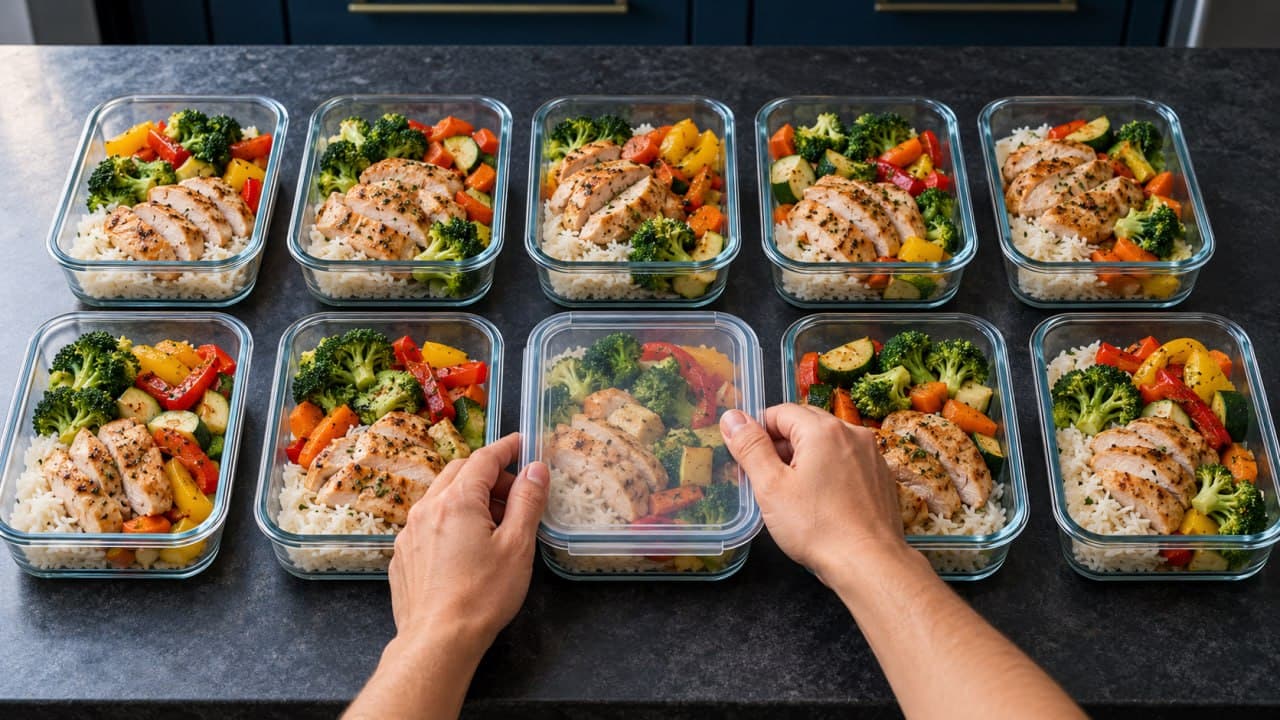
Meal Prep: The System for a Whole Week in 2 Hours
With meal prep you eat high-protein, planned meals all week – without cooking every evening. The building-block system, shopping list, shelf life, storage and a concrete two-hour Sunday routine.
8 min read
Nutrition & Body Composition
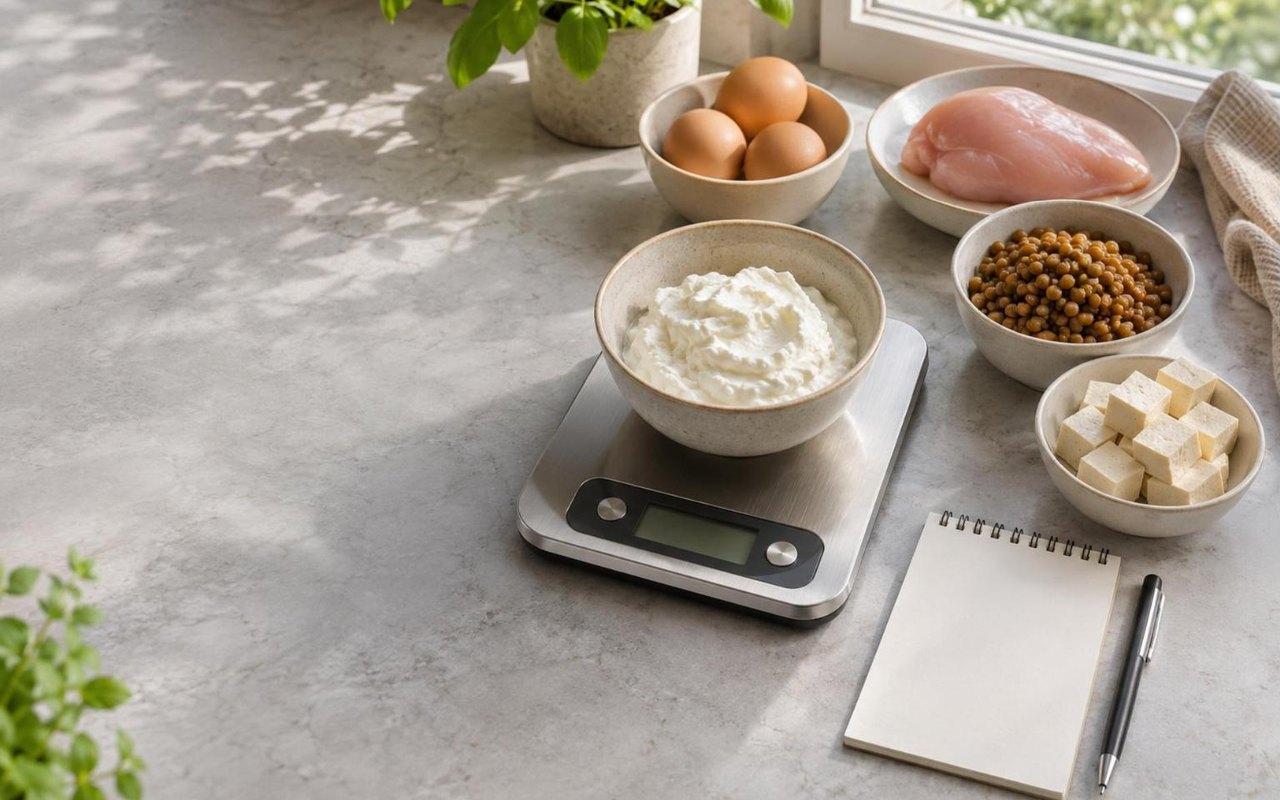
Protein Intake Chart: Daily Protein by Body Weight and Goal – From 50 to 120 kg
How much protein do you need per day? Eduard Boehm's protein calculator uses the reference values of the German Nutrition Society and sports nutrition research – for health, endurance, muscle gain and fat loss, with the amount per meal and food examples. Plus a table for 50 to 120 kg and the method explained openly.
6 min read