
Smart Ring vs Fitness Band: Which Suits You?
Smart ring or fitness band? What smart rings measure, how accurate heart rate, HRV, sleep and skin temperature are at the finger, strengths and weaknesses in training, battery, wearing comfort, subscription models, sizing and a clear comparison with fitness bands and smartwatches.
 ByMichael Lohrberg
5 min read
In short
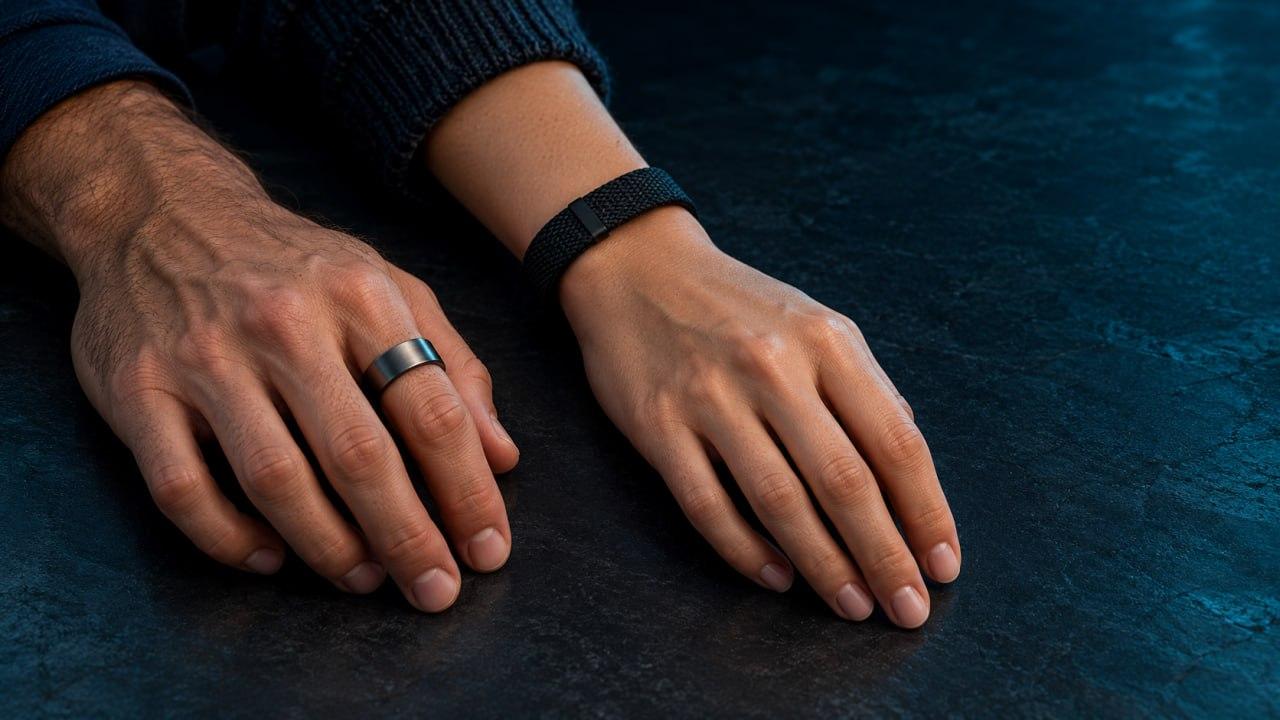
Smart rings use optical sensors on the finger to measure heart rate, heart rate variability, sleep, activity and usually skin temperature trends. Their strength lies in sleep and recovery tracking: a ring is barely noticeable at night, and the finger offers good conditions for overnight measurement. Weaknesses show in training: in strength training the ring gets in the way when gripping weights, and heart rate measurement during intense exercise is often less detailed than at the wrist or with a chest strap. Rings have no display and no built-in GPS, battery life is usually a few days to about a week, and some providers require a subscription. A fitness band is often more practical for training; a smartwatch offers more features.
Contents
Smart rings are the newest category of wearables: an inconspicuous ring that measures heart rate, sleep and recovery around the clock. No display, no notifications, barely noticeable. To many, that sounds ideal. But what can rings really do, and when is a fitness band the better choice?
This article compares smart rings with fitness bands and smartwatches and helps you find the right device for your goals. It belongs to the Wearables & Tracking topic.
What a smart ring measures
| Metric | How | Assessment |
|---|---|---|
| Resting heart rate | optical sensor on the finger | usually good at rest |
| HRV | overnight measurement | most important recovery metric, trend is key |
| Sleep duration and stages | movement, heart rate, HRV | duration usable, stages as an approximation |
| Skin temperature trend | temperature sensor | deviations from your personal baseline |
| Steps, activity | motion sensor | estimate |
| Blood oxygen (SpO2) | optical | a guide, not a medical device |
| Heart rate during training | optical | often less detailed than at the wrist or with a chest strap |
What HRV reveals about your recovery is explained in Understanding HRV. How reliable wearable SpO2 values are is shown in SpO2 measurement with a smartwatch.
Strengths and weaknesses
| Strengths | Weaknesses |
|---|---|
| barely noticeable, even at night | gets in the way when gripping in strength training |
| good conditions for overnight measurement | training heart rate data often less detailed |
| inconspicuous, jewellery-like | no display, no GPS |
| temperature trends | size must fit exactly, fingers swell |
| no distraction | sometimes subscription required, higher price |
Smart ring, fitness band or smartwatch?
| Criterion | Smart ring | Fitness band | Smartwatch |
|---|---|---|---|
| Sleep and recovery tracking | very good | very good | good if worn at night |
| Heart rate in training | limited | good during steady efforts | good during steady efforts |
| Strength training | impractical | good | good |
| Display, live values | no | depending on model | yes |
| GPS | no | usually no | usually yes |
| Battery life | a few days to approx. 1 week | depending on model up to several weeks | often 1–2 days, sports watches longer |
| Distraction | none | low | high |
| Subscription | with some providers | depending on provider | usually not needed |
The fundamental differences are explained in detail in Smartwatch or fitness tracker; how a smartwatch performs in training is shown in Apple Watch for training.
Who a smart ring is worth it for
Good choice:
- people who mainly want to track sleep and recovery,
- those who don't want to wear anything on their wrist – because of a watch, job or comfort,
- endurance athletes who capture their training data with a chest strap or watch anyway,
- those who want as little distraction as possible.
Rather a band or watch:
- strength athletes who grip a lot,
- those who want to analyse training heart rate data in detail,
- those who need GPS, a display or notifications,
- those who want to avoid subscription costs.
How to choose the right wearable
Choose the right wearable in 5 steps
- 1
Step 1
Define your main goal
Clarify whether sleep and recovery, training with heart rate data, or smartwatch features such as notifications and GPS matter most to you.
- 2
Step 2
Check your type of training
If you do a lot of strength training or often grip dumbbells and bars, a ring is impractical in training – a band is then often the better choice.
- 3
Step 3
Compare costs
Besides the purchase price, factor in possible subscription costs over two to three years and check which features are available without a subscription.
- 4
Step 4
Test size and comfort
For rings, use the manufacturer's sizing kit and wear the sample ring for a few days, including at night and during exercise, before ordering.
- 5
Step 5
Check data privacy
Find out where your health data is stored – in a cloud or locally on your smartphone – and whether you can export it.
What to look for when buying
- Size: fingers swell during the day and in warm conditions. Use the sizing kit and test for several days.
- Finger: many manufacturers recommend the index, middle or ring finger. Wearing it on the same finger improves comparability.
- Material: titanium is light and robust but can scratch – especially in the gym.
- Subscription and privacy: where is the data stored? What does the subscription cost over several years? Can you export your data?
- App: does the app run on your smartphone's operating system? Are the analyses understandable?
Skin temperature: what the curve reveals
Many smart rings measure skin temperature at the finger overnight and show deviations from your personal baseline. This isn't a fever reading but a trend. Elevated temperature over one or two nights can be linked, for example, to an incipient infection, alcohol the evening before, a warm bedroom or a very hard training session. In women, temperature also fluctuates over the menstrual cycle. The value is most useful in combination with resting heart rate and HRV: if temperature and resting heart rate rise at the same time while HRV falls, a calmer training phase is often wise. For medical questions, however, the ring doesn't replace a thermometer or a doctor's assessment.
Using the data properly
Whether ring, band or watch: the greatest benefit comes when you don't judge every night individually but look at weekly trends. A poor value after a party is normal. What matters is whether your recovery worsens over several days – then it's worth reviewing training, sleep and stress.
Steps and activity
Smart rings count steps via a motion sensor on the finger. During activities with lots of hand movement, such as cooking, extra steps may be counted, while pushing a pram may register fewer. For trends, the values are usually sufficient – more on accuracy in How accurate are step counters?.
Common mistakes
Wrong size. Too loose measures poorly, too tight is uncomfortable.
Wearing it during strength training. Scratches and pressure points – better take it off.
Overlooking subscription costs. Over several years, this can cost more than the device.
Overrating sleep stages. Duration and trends are more meaningful.
Over-interpreting daily data. Weekly trends are what count.
Conclusion: the ring for the night, the band for training
Smart rings are excellent when sleep and recovery are the focus and you want to feel as little as possible on your wrist. For training – especially strength training – and detailed heart rate data, a fitness band or sports watch is often the more practical choice. Clarify your main goal, factor in subscription costs and test the size thoroughly – then you'll find the wearable that fits your daily life.
Frequently asked questions
How accurate is a smart ring?
For resting heart rate, overnight HRV and sleep duration, good smart rings usually deliver usable values in studies, as measurement at the finger works well at rest. Sleep stages, as with all wearables, are only approximations. During intense training, measurement is often less detailed than with a chest strap.
Is a smart ring better than a fitness band?
That depends on the goal. For discreet sleep and recovery tracking, a ring is very comfortable. For training, especially strength training, a band is usually more practical because it doesn't interfere with gripping and often captures training heart rate data in more detail.
Can you do strength training with a smart ring?
Possible, but often uncomfortable. The ring can press when gripping weights, and dumbbells or bars can scratch it. Many take it off for strength training or wear it on a finger that's under less load.
Do smart rings require a subscription?
That varies by provider. Some require a monthly subscription for full analysis; others offer all features without one. Check carefully before buying which features are available without a subscription.
How long does a smart ring battery last?
Usually a few days to about a week, depending on the model and usage. Fitness bands without a display can sometimes last much longer, smartwatches often less.
Tags
- Smart ring
- Fitness band
- Wearables
- Sleep tracking
- HRV
- Buying guide
About the author
Michael Lohrberg· Founder of Syrax
Michael Lohrberg founded Syrax in 2026. Military service with a deployment abroad, in industry since 2010, shift work and two jobs in parallel – the LEEK Pulse Pro grew out of the question of how much recovery is really left in everyday life. In the magazine he writes about training, sleep and regeneration – practical and grounded in the research.
More about MichaelThis article is for general information and does not replace medical advice. If you have pre-existing conditions, pain or any doubts, talk to your doctor before changing your training or diet.
Also available in: Deutsch
Syrax Magazine
Read next
 Big guide
Wearables & Tracking
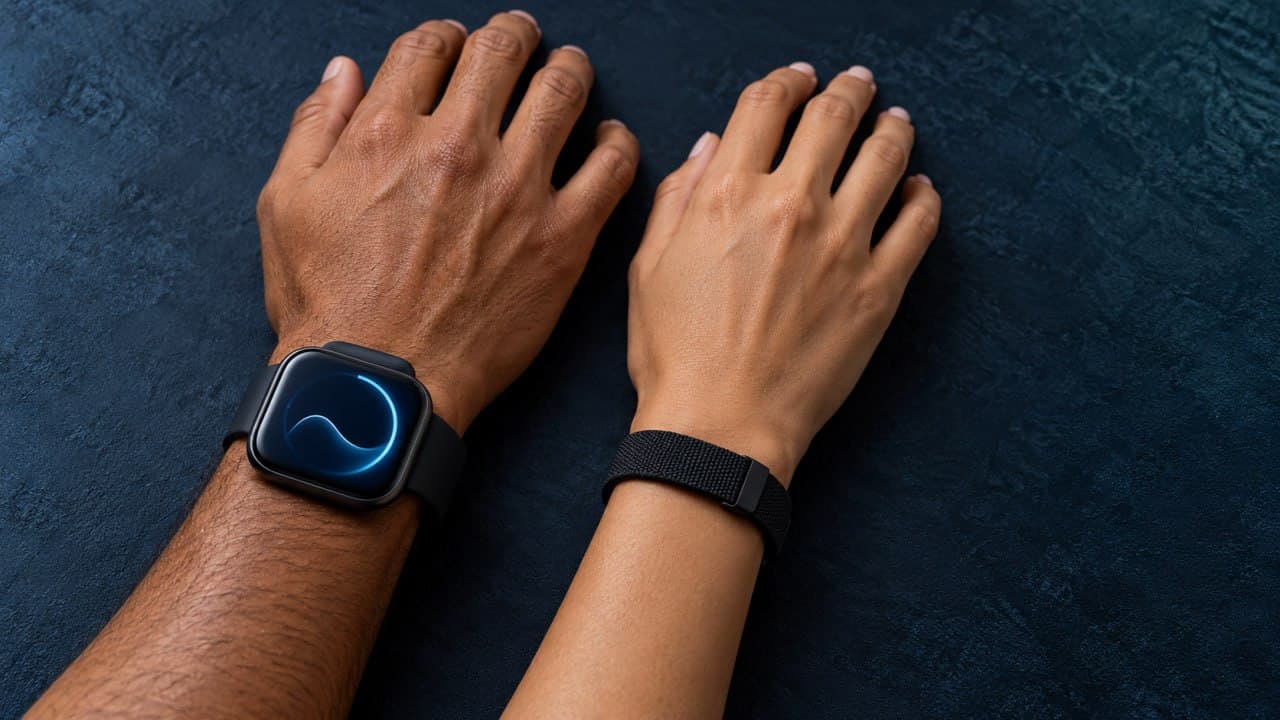
Smartwatch or Fitness Tracker? What Matters for Training
Smartwatch, GPS sports watch or slim fitness band: which device class suits your training, what the sensors can really do, how important battery, subscription and privacy are – with a decision guide for every profile.
8 min read
Wearables & Tracking
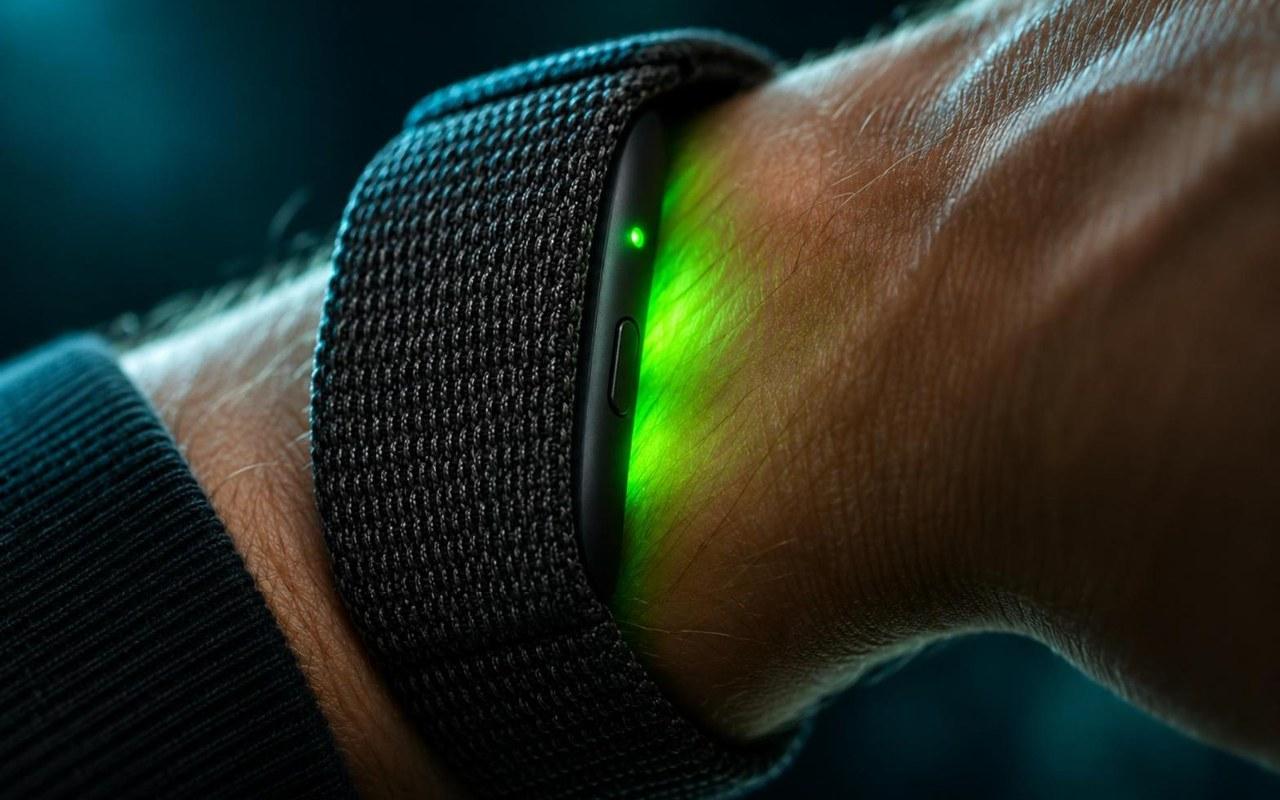
How Accurately Do Fitness Trackers Measure Heart Rate?
How optical heart rate measurement on the wrist works, where it is reliable and where it isn't – at rest, running, during intervals and in strength training – which factors disrupt it and how to get more accurate readings.
5 min read
 Big guide
Recovery & HRV
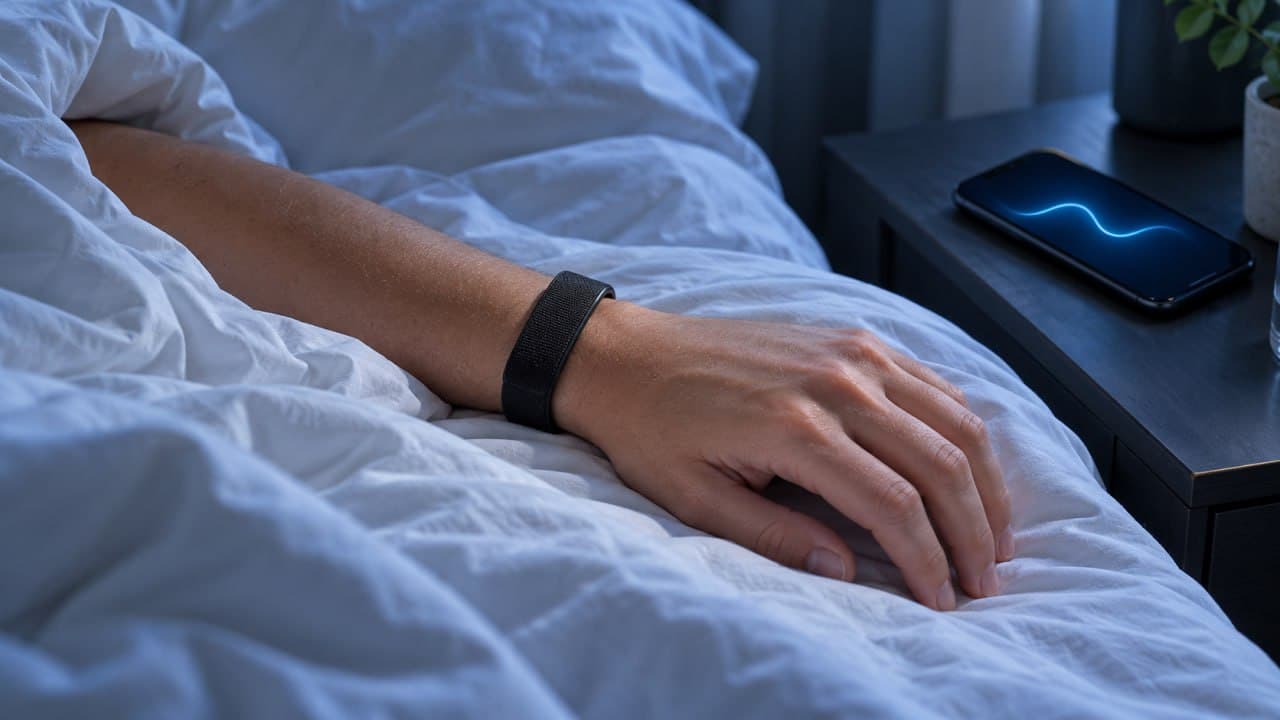
Understanding HRV: What Heart Rate Variability Reveals About Your Recovery
HRV is probably the most valuable metric a wearable can provide – and the most often misunderstood. What it measures, which values are normal, how to measure it properly and how to guide your training with it.
13 min read