
Fitness Tracker Privacy: Where Does Your Health Data End Up?
Fitness tracker privacy: which health data wearables collect, where it's stored, what the GDPR requires for health data, which risks clouds, accounts and location data pose, what rights you have, a buying checklist and how the LEEK Pulse Pro handles data.
 ByMichael Lohrberg
5 min read
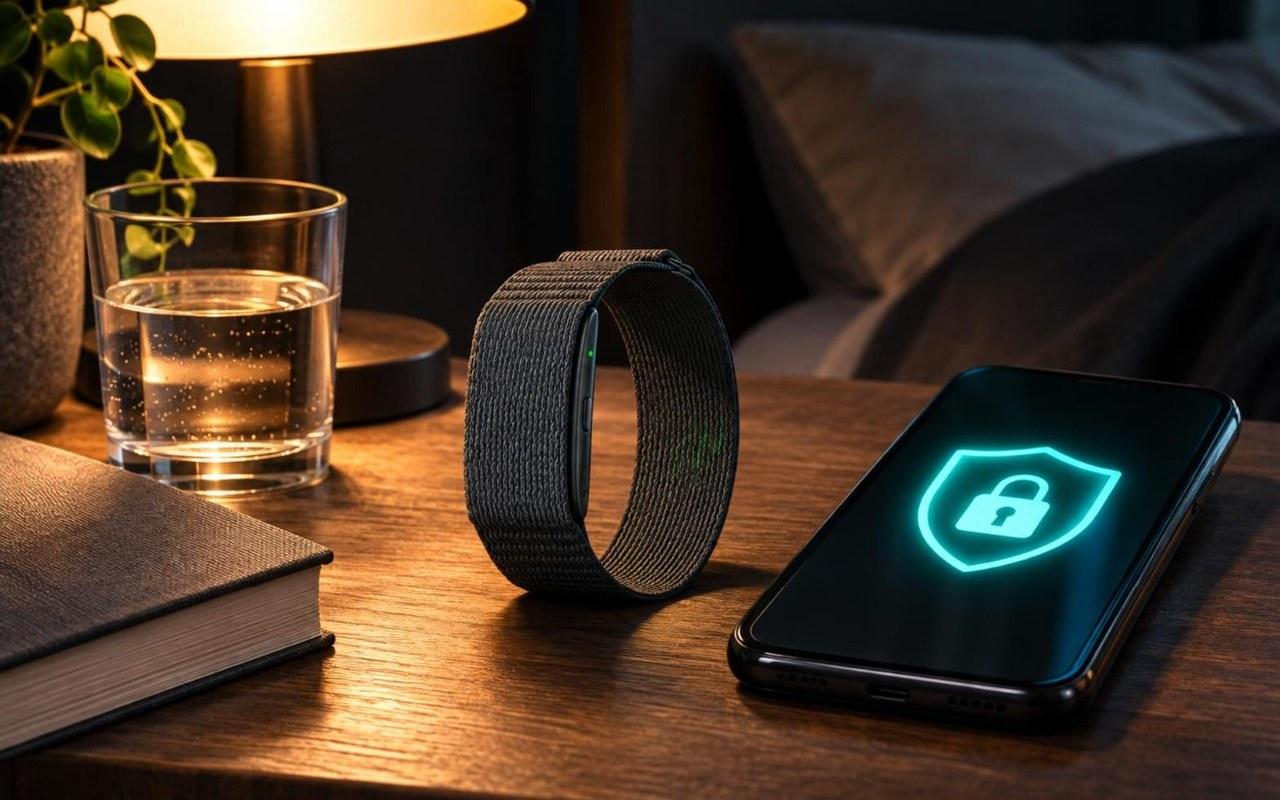
Full disclosure: this article covers the LEEK Pulse Pro – a product made by Syrax, the publisher of this magazine.
In short
Fitness trackers collect some of the most sensitive data there is: heart rate, heart rate variability, sleep, oxygen saturation, stress and often location. Under the GDPR, health data is specially protected and may only be processed with explicit consent. Many manufacturers store data in their cloud, sometimes outside the EU, and require an account. Before buying, check whether an account is mandatory, where data is stored, whether you can export and delete it and which data is shared with third parties. The LEEK Pulse Pro stores all data on your smartphone, with no cloud and no mandatory account.
Contents
Your fitness tracker knows when you go to bed, how well you sleep, how stressed you are, when your heart rate rises and often where you are. Hardly any other device collects so much personal data so continuously. Yet most users click quickly through the privacy policy during setup. The question is worth asking: where does your health data end up, and who has access to it?
In this article you'll learn which data trackers collect, what rights you have and what to look for when buying. It belongs to the Wearables & Tracking topic. Transparency note: Syrax makes the LEEK Pulse Pro, a tracker that works without a cloud.
Which data fitness trackers collect
| Data type | Examples | Sensitivity |
|---|---|---|
| Cardiovascular | Heart rate, resting HR, HRV, sometimes ECG | high |
| Sleep | Duration, stages, wake times | high |
| Breathing and blood | Oxygen saturation, respiratory rate | high |
| Stress and recovery | Stress values, recovery scores | high |
| Activity | Steps, workouts, calories | medium |
| Location | GPS routes, training locations | high |
| Profile | Age, weight, height, sex | medium |
Individually, some of these values seem harmless. In combination, however, they paint a very precise picture of your life: when you sleep, how healthy you are, where you live and what your daily routine looks like.
What the GDPR says
In the EU, the General Data Protection Regulation governs the handling of personal data. Health data is among the special categories that enjoy particular protection. Processing it is generally only permitted with explicit consent or another specific legal basis. You also have important rights:
Access: You can find out which data is stored about you.
Erasure: You can demand that your data be deleted.
Data portability: You can receive your data in a common format.
Withdrawal: You can withdraw consent you've given at any time.

Cloud, account and third parties
Many manufacturers store measurement data in their cloud. That has advantages: syncing between devices, web dashboards, backups, cloud-based analyses. At the same time, your health data leaves your smartphone and sits on servers you don't control – sometimes outside the EU.
There are often further recipients: partner apps you share data with, analytics and advertising providers in the apps and, with some providers, research projects. This is usually described in the privacy policy and can sometimes be switched off.
Cloud storage and local storage compared
Schematic rating on a scale from 0 to 10. Actual implementation differs considerably by manufacturer.
- Cloud with account
- Local on the smartphone
- Control over dataCloud with account: limitedLocal on the smartphone: high
- Cross-device accessCloud with account: very goodLocal on the smartphone: limited
- Automatic backupCloud with account: usually yesLocal on the smartphone: organise yourself
- Risk from provider data breachesCloud with account: presentLocal on the smartphone: low
Show data as table
| Category | Cloud with account | Local on the smartphone |
|---|---|---|
| Control over data | limited | high |
| Cross-device access | very good | limited |
| Automatic backup | usually yes | organise yourself |
| Risk from provider data breaches | present | low |
Location data: the underestimated risk
GPS data is particularly sensitive. If you record your morning run from your front door every day and share it publicly, you reveal your address and daily routine. A well-known example: in 2018, a publicly accessible map of a sports app showing aggregated activities unintentionally revealed the location of military bases because soldiers had recorded their runs there.
Protection: Set activities to private by default, set up privacy zones around your home and workplace and don't share live location publicly.
Buying checklist
Mandatory account: Does the device work without an account with the manufacturer?
Storage location: Is data stored locally or in the cloud – and if in the cloud, where?
Export: Can you export your data in a common format?
Deletion: Can data and account be deleted completely?
Sharing: Is data shared with third parties, and can you switch that off?
Subscription: Are analyses tied to a subscription with mandatory cloud use? More in Fitness trackers without a subscription.
Whether a feature-rich smartwatch or a slim band suits you better is covered in Smartwatch or fitness tracker. Why bands without a display in particular are often more data-economical is described in Fitness trackers without a display.
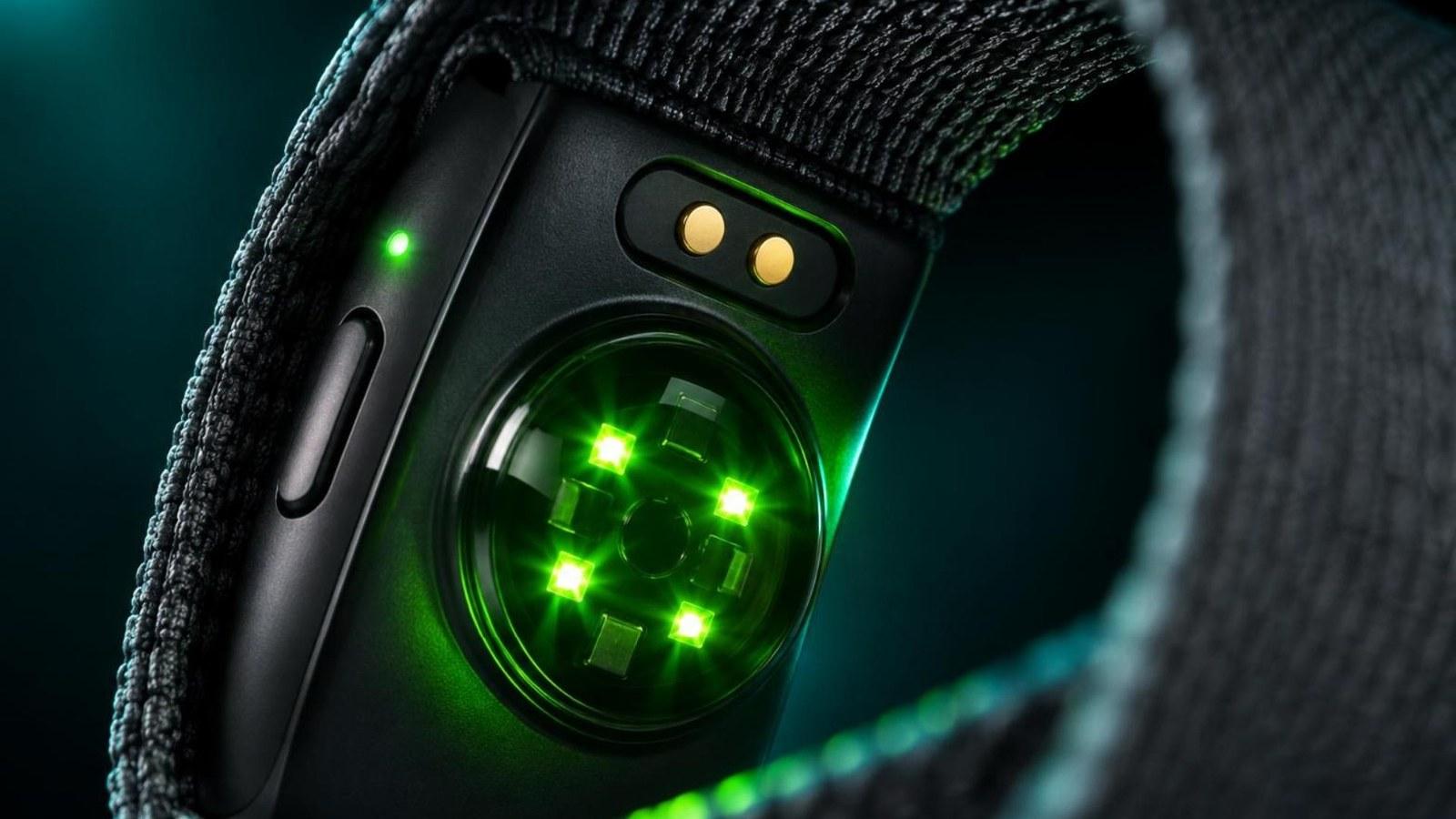
Privacy with the LEEK Pulse Pro
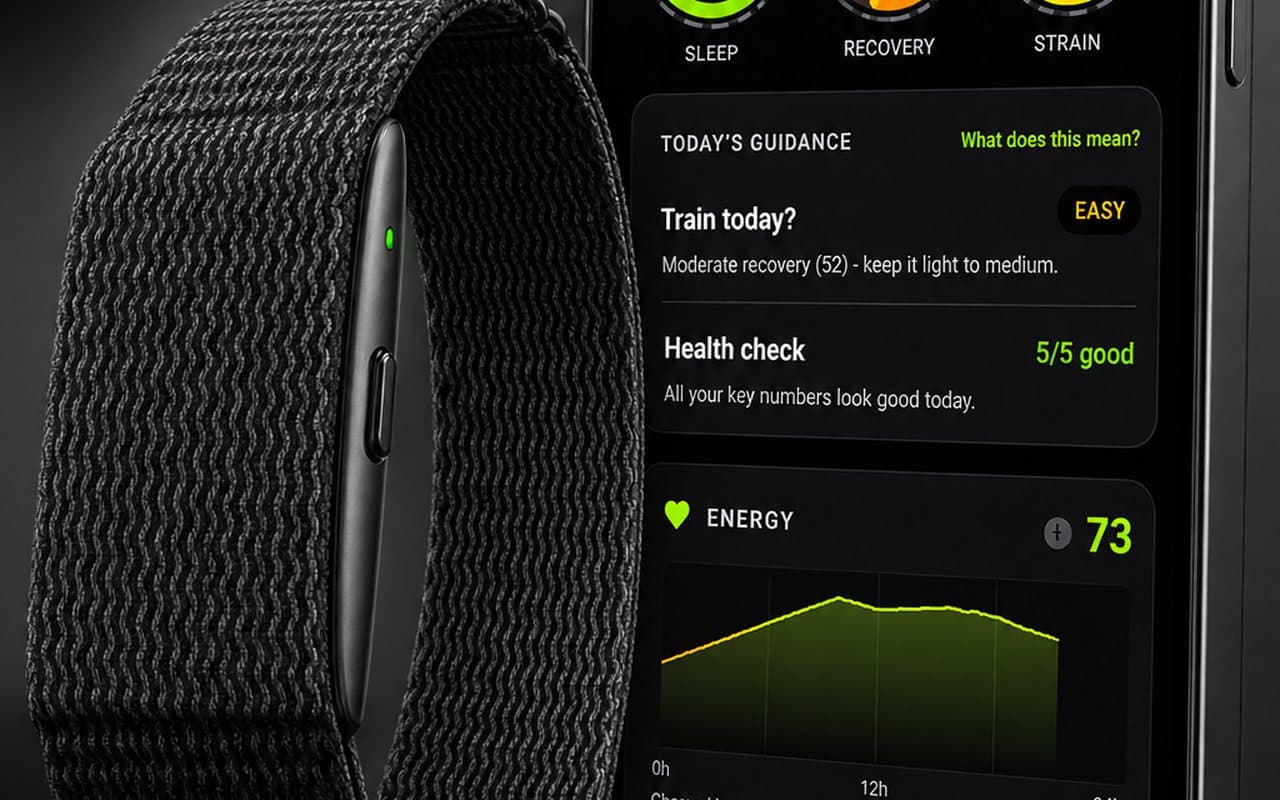
The LEEK Pulse Pro was deliberately designed without a cloud. The measurements – heart rate, HRV, sleep, SpO2, stress, activity and the sleep, recovery and strain scores calculated from them – are transferred via Bluetooth to the LEEK App and stay on your Android smartphone. There's no mandatory account and no subscription. The band has no GPS, so the band itself creates no movement profiles.
To be honest: without a cloud, there's no web dashboard and no automatic backup by the manufacturer. If you change or lose your smartphone, you're responsible for backing up your data yourself. And local data is only as secure as the smartphone itself – a screen lock and current updates are a must. A comparison with platforms that rely on a cloud and membership can be found in LEEK Pulse Pro vs. Whoop.
Weighing privacy against benefit
Cloud services aren't bad in principle. If you want to share your data with a coach, use it on several devices or analyse it in a browser, you benefit from the cloud. What matters is making the choice consciously: which features do you really need, and which data are you willing to hand over for them? If you mainly want to keep an eye on sleep and recovery, for example via heart rate variability, you don't necessarily need a cloud.
Common mistakes
Ignoring the privacy policy: A few minutes of reading shows where your data goes.
Sharing activities publicly: Routes from your front door reveal your address.
Forgetting old accounts: Delete devices and accounts you no longer use.
Never checking permissions: Once connected, apps often keep access permanently.
Unprotected smartphone: Local data needs a screen lock.
Conclusion: decide consciously who gets your data
Fitness trackers can reveal a lot about health, sleep and recovery – which is exactly why this data deserves special protection. If you check where the data goes before buying, choose your settings consciously and don't share location data lightly, you stay in control. Cloud convenience or local storage: what matters is that you know the decision you're making.
Frequently asked questions
Is fitness tracker data health data?
In many cases, yes. Heart rate, sleep, oxygen saturation and similar values allow conclusions about your state of health and are considered specially protected data under the GDPR.
Where is my fitness tracker's data stored?
That depends on the manufacturer. Many store data in a cloud, often linked to an account. Some devices store data only locally on the smartphone. The privacy policy and app settings provide information.
Can I have my data deleted?
Yes. Under the GDPR, you have a right to erasure, to information about stored data and to data portability. Many apps offer dedicated functions for this; otherwise a request to the manufacturer is enough.
Are there fitness trackers without a cloud?
Yes. Some devices store all data exclusively on the smartphone, such as the LEEK Pulse Pro. The drawback: there's no web dashboard, and you're responsible for backups yourself.
How dangerous is location data from fitness apps?
Location data can reveal where you live, work and regularly train. Don't share routes publicly, use privacy zones around your home and check who can see your activities.
Tags
- Privacy
- Fitness tracker
- Health data
- GDPR
- Cloud
- LEEK Pulse Pro
About the author
Michael Lohrberg· Founder of Syrax
Michael Lohrberg founded Syrax in 2026. Military service with a deployment abroad, in industry since 2010, shift work and two jobs in parallel – the LEEK Pulse Pro grew out of the question of how much recovery is really left in everyday life. In the magazine he writes about training, sleep and regeneration – practical and grounded in the research.
More about MichaelThis article is for general information and does not replace medical advice. If you have pre-existing conditions, pain or any doubts, talk to your doctor before changing your training or diet.
Also available in: Deutsch
Syrax Magazine
Read next
Wearables & TrackingSyrax
Fitness Trackers Without a Subscription: What You Really Pay
Fitness trackers without a subscription vs. with a membership: which subscription models exist, what mandatory memberships and premium subscriptions cost over three years, which features sit behind paywalls, what happens to your data and what to look for before buying.
6 min read
 Big guide
Wearables & Tracking
Smartwatch or Fitness Tracker? What Matters for Training
Smartwatch, GPS sports watch or slim fitness band: which device class suits your training, what the sensors can really do, how important battery, subscription and privacy are – with a decision guide for every profile.
8 min read
Wearables & TrackingSyrax
LEEK Pulse Pro in Detail: The Fitness Tracker Without a Display or Subscription
No screen, no cloud, no subscription, up to 30 days of battery: the LEEK Pulse Pro deliberately takes a different path from smartwatches. What the band measures, how the analysis works, where its limits are – and who it is worth it for.
13 min read